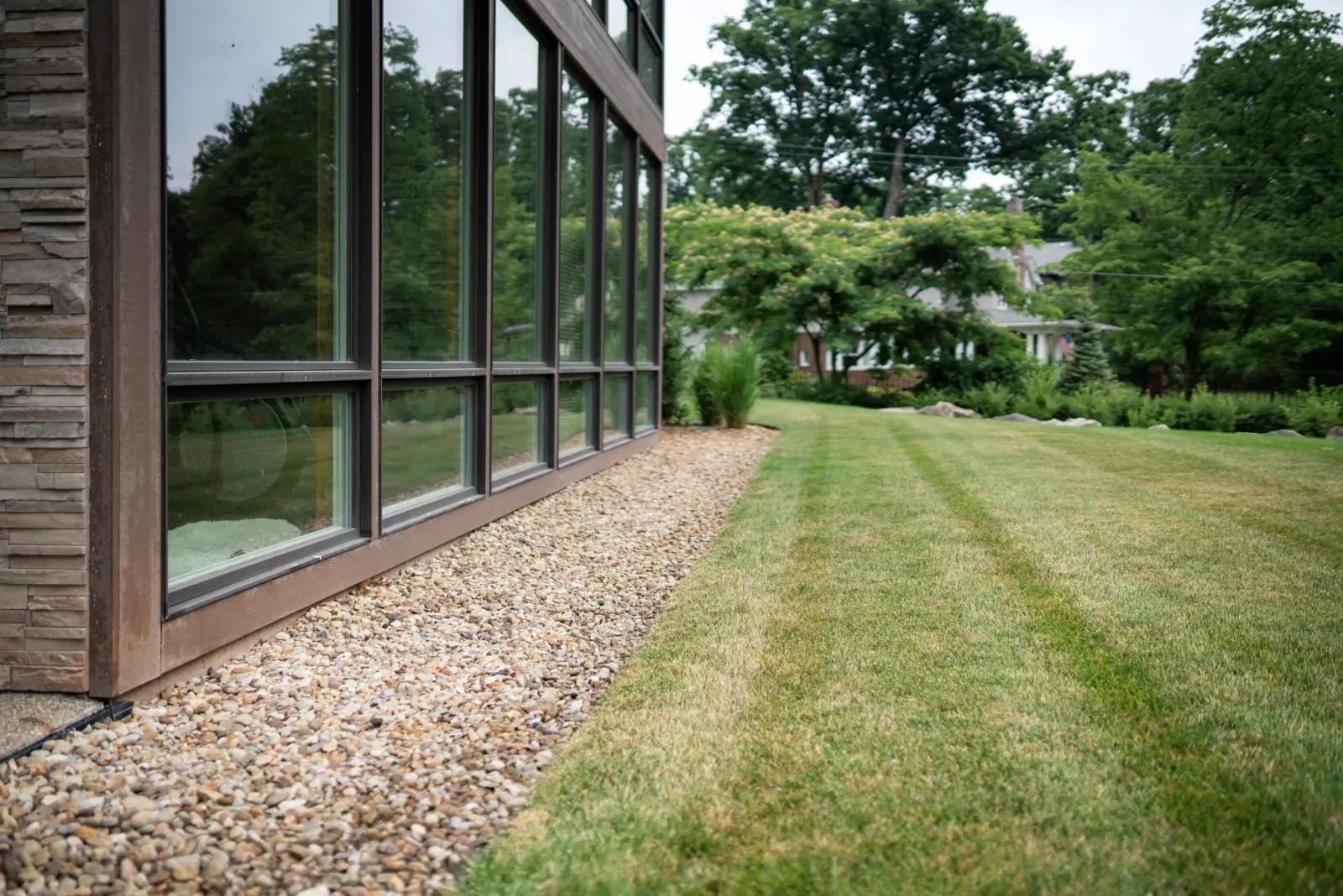
Late spring on a Western Pennsylvania lawn rarely presents one clean problem. Weeds fill thin zones while brown patches suggest grubs, fungus, or bad sprinkler overlap. Irrigation clocks still reflect an earlier season even as afternoons warm. Homeowners bounce between products and forums because every symptom photograph looks like three different crises at once.
This quiz is narrower than our general service fit quiz. It sorts priority among four threads we see bundled on real properties: weed control, grub control, lawn disease treatment, and irrigation management. The outcome is a first door to open, not a full diagnosis and not a substitute for a site visit.
If your stress is mostly trees, beds, and deer browse, use the plant and landscape priority quiz instead. If turf is the story, stay here. When you want a person on the line, request a quote or call 412-822-9153.
Why priority beats panic
Treating the wrong issue first costs weeks. Extra water on grub damaged turf will not reattach roots. Broadleaf herbicides on grass stressed by fungus can add injury if timing is off. Fungicide without fixing overnight leaf wetness from sprinklers often brings the same spots back after the next humid stretch. Priority is not about ignoring secondary problems. It is about sequencing work so each step makes the next one more likely to succeed.
Professional lawn care programs exist partly to keep that sequence on a calendar: fertility that supports density, weed prevention before summer annuals establish, grub timing tied to local beetle activity, and eyes on disease patterns when humidity returns. The quiz mirrors how we triage phone calls when homeowners describe a lawn that looks tired everywhere but hurts in specific ways once you walk it.
How each outcome should guide your next click
A weed forward result means open turf is letting invaders win. Read the linked weed page for how pre emergent and broadleaf work fit cool season lawns in our climate, then note whether thin areas also need fertilization or fall aeration so grass competes for space again. Weed control without density is often a short relief cycle.
A grub forward result means verify root feeding larvae before heat amplifies brown patches. Lift tests and digging history matter more than color alone. Pair grub conversations with our grub damage signs article if you want field clues before a visit. Recovery still depends on rooting support after control, not only a single application date.
A disease forward result means pattern and timing before product. Margins, morning greasiness, and weather history separate many fungal issues from drought and insects. Our brown patch guide walks through look alikes homeowners confuse every year. Irrigation that keeps leaf wet overnight often belongs in the same correction plan as disease work.
An irrigation forward result means distribution and scheduling honesty. Afternoon heat exposes zones that were merely acceptable in cool weather. The zone walk article describes a simple daylight routine that reveals overspray, dry pockets, and mixed valves before you blame grubs or fungus for random stripes.
When two scores land close together
Real lawns blur categories. A runner up line in your quiz result is intentional. Irrigation stress can trigger disease symptoms. Thin turf invites weeds beside grub weakened roots. Mention both scores when you reach out so we can sequence a visit: water fix before fungicide, grub check before overseeding, or weed work after density improves. The quiz reduces spinning; it does not forbid combined plans.
Commercial entries and HOA strips often score irrigation and weed together because delivery paths compact soil while overspray keeps crabgrass happy along curb lines. Wooded residential lots may score grub and disease together when shade keeps leaf wet longer. Bring use patterns, not only photographs, so recommendations fit circulation on your property.
What to gather before you call
Take one wide photo and one close photo per problem zone. Note whether damage appeared after a wet week, a dry week, or fresh animal digging. Write down how many minutes each irrigation zone runs and whether any spray hits pavement. If you already tried a product, record what and when rather than guessing from memory. Those details shorten every conversation and keep expectations realistic about how fast cool season turf recovers once the right priority is addressed.
Mark the heaviest foot path across the lawn if traffic is part of the story. Path wear and grub injury can overlap on the same bare strip but need different long term fixes. Our path wear piece helps when compaction and routing are the main drivers rather than larvae or sprinklers.
Fit the quiz into a wider seasonal plan
Priority work sits inside a calendar, not above it. The late spring yard checklist covers beds, pests, and hardscape topics this quiz deliberately skips. Use your quiz result as the turf anchor, then scan the checklist for plant and irrigation tasks that should not wait until after summer events you already scheduled.
We serve communities across Western Pennsylvania listed on our locations hub. Soil, shade, and construction age change the order of operations even when symptoms look similar in photographs. Tell us your town, sun exposure, and whether the lawn is new sod, established seed, or a mix of both so the first visit matches local clay and traffic realities, not a generic national blog flowchart.
After your result
Open the linked service page, read timing language there, and bring questions back to us. If nothing feels exact, choose irrigation or disease as your manual default when water and humidity are in doubt, and describe the mix when you call. Wrong order costs less when caught early. Right order still needs patience while cool season grass rebuilds roots before the hottest weeks ahead.