
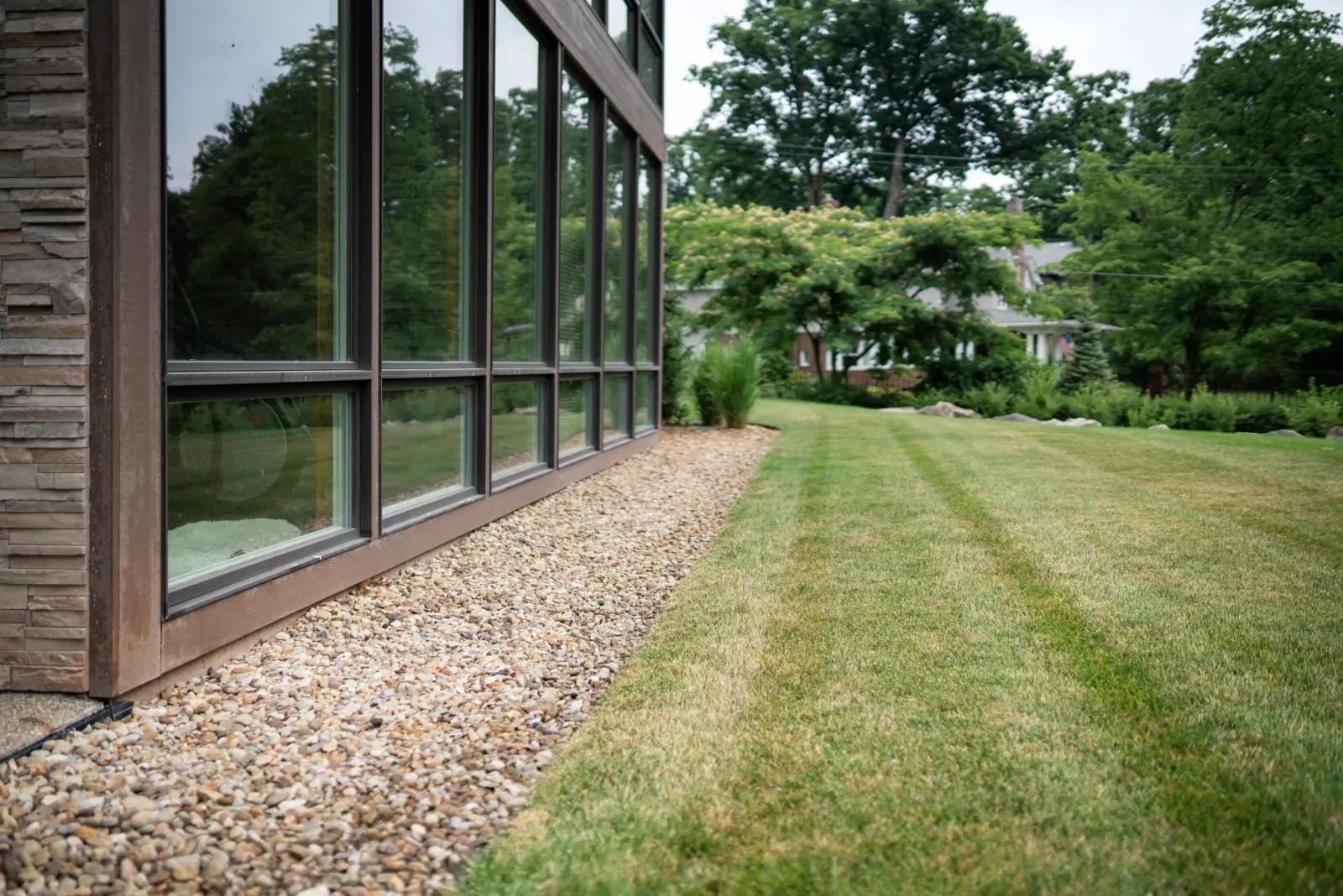


Brown is not a diagnosis. It is a color your brain notices while driving up the driveway. In Western Pennsylvania, humid afternoons, cool nights, and clay that holds water can produce brown patches that mean three different things on the same block, sometimes on the same lawn.
This article is a field guide for homeowners who want better questions before treatment, not a promise that every spot shares one cause. When you need eyes on the property, our lawn disease treatments process starts with what the turf is doing, how water moves, and how mowing and traffic shaped the area.
Dry soil patterns versus disease shapes
Drought stress on cool season turf often follows sun exposure and slope. Strips along pavement, south facing bumps, and places where roots compete with trees dry out first. The grass may look dull then straw colored, usually without the sharp circular edges some fungi create.
Disease patches often have margins that look different from the center, sometimes with a faint ring, sometimes with greasy leaf feel in morning when humidity is high. Size can grow over a week if weather cooperates with the pathogen. Overlapping sprinkler arcs that keep leaf wet overnight can mimic disease; that is why we ask about irrigation management before we talk products.
Mower stress and the stripes you did not intend
Repeated mowing in the same direction on wet turf can bruise crowns and compact soil in wheel lines. The damage tracks equipment, not random spots. If only the heaviest mower pass looks burned while the rest of the yard is green, mechanical stress belongs on the list even when you suspect fungus.
Raising the cut height for a few weeks, alternating direction, and keeping blades sharp are homeowner levers that cost nothing but attention. They pair with professional lawn care visits that already watch for stress signals during fertilization rounds.
Clay, air, and why water sits on the surface
When rain runs off instead of soaking in, roots live in a thin wet band that dries fast at the surface. The lawn can look flooded and drought stressed at the same time. Our article on clay soil and aeration explains how compaction feeds that pattern.
Core aeration is not an emergency fix for active disease, but it belongs in the long term file when compaction keeps appearing in the same places. Lime treatments only make sense when soil chemistry tests support them; color alone is not enough evidence.
Weeds, grubs, and patches that move
Weeds tell you about thin turf and timing gaps. A sudden flush of broadleaf plants after a wet stretch is different from a dead circle that stays empty. Weed control plans assume we know whether the bare center is disease, insects, or traffic.
Grubs lift turf like carpet when damage is advanced. Raccoon and skunk digging along the surface is another clue worth mentioning before you treat for fungus. Read our grub article if you are comparing insect damage to leaf spots; the repair paths differ.
Plant health and lawn edges
Ornamentals shedding flowers onto turf, heavy pollen from conifers, and shade that thickened after last year’s growth all change moisture at the ground. Plant health care programs and plant disease protection address woody plants, yet the litter and shade they create still matter to grass below.
If brown patches hug the wood line, note tick and flea habitat while you walk the edge. Families who use the yard heavily may want flea and tick control in the same season they fix water and mowing, especially before outdoor events pick up.
Soil probes and simple tests before you treat
A screwdriver pushed into moist soil should slide with moderate effort on healthy turf. If only the top inch is soft and the rest is brick hard, compaction belongs in the conversation with disease. If the probe slides easily everywhere but grass still browns, look up at irrigation arcs and down at grub history before fungicide enters the chat.
Home test kits for disease are rarely needed when field patterns are clear. Professional visits combine pattern recognition with program history from prior seasons, which is faster than guessing from a photo alone.
When to call and what to send
Take one wide photo and one close photo per patch. Write down whether it appeared after a wet week or a dry week, and whether irrigation ran the night before. If you are on a program already, those notes ride along with your next visit request.
New clients can request a quote or call 412-822-9153. Mention communities like Franklin Park or Allison Park if that helps routing. For a wider seasonal view that includes beds and pests, see our late spring yard checklist after you handle the urgent brown spots.
Night watering habits that change morning clues
Evening programs are convenient for schedules but tough on disease diagnosis. Leaf wet hours stretch past midnight on humid nights, which favors fungi even when the soil below is not saturated. If your patches are worst where night watering overlaps shrub cover, shift test runs to morning for two weeks and compare photos before you buy another product.
Shade from houses and fences creates micro zones that dry slowly yet look drought stressed at noon. Walk those areas at different times of day once before you decide the irrigation clock is wrong. Sometimes the fix is a minute adjustment on one station, not a global increase that floods the basement side of the lawn.
Staying honest about outcomes
Some patches recover with water and habit fixes. Some need labeled disease work. Some need seed in fall after the cause is controlled. We would rather tell you which bucket fits than sell one product narrative for every brown area on the property. That honesty is how turf stays healthier the year after the patch first showed up.