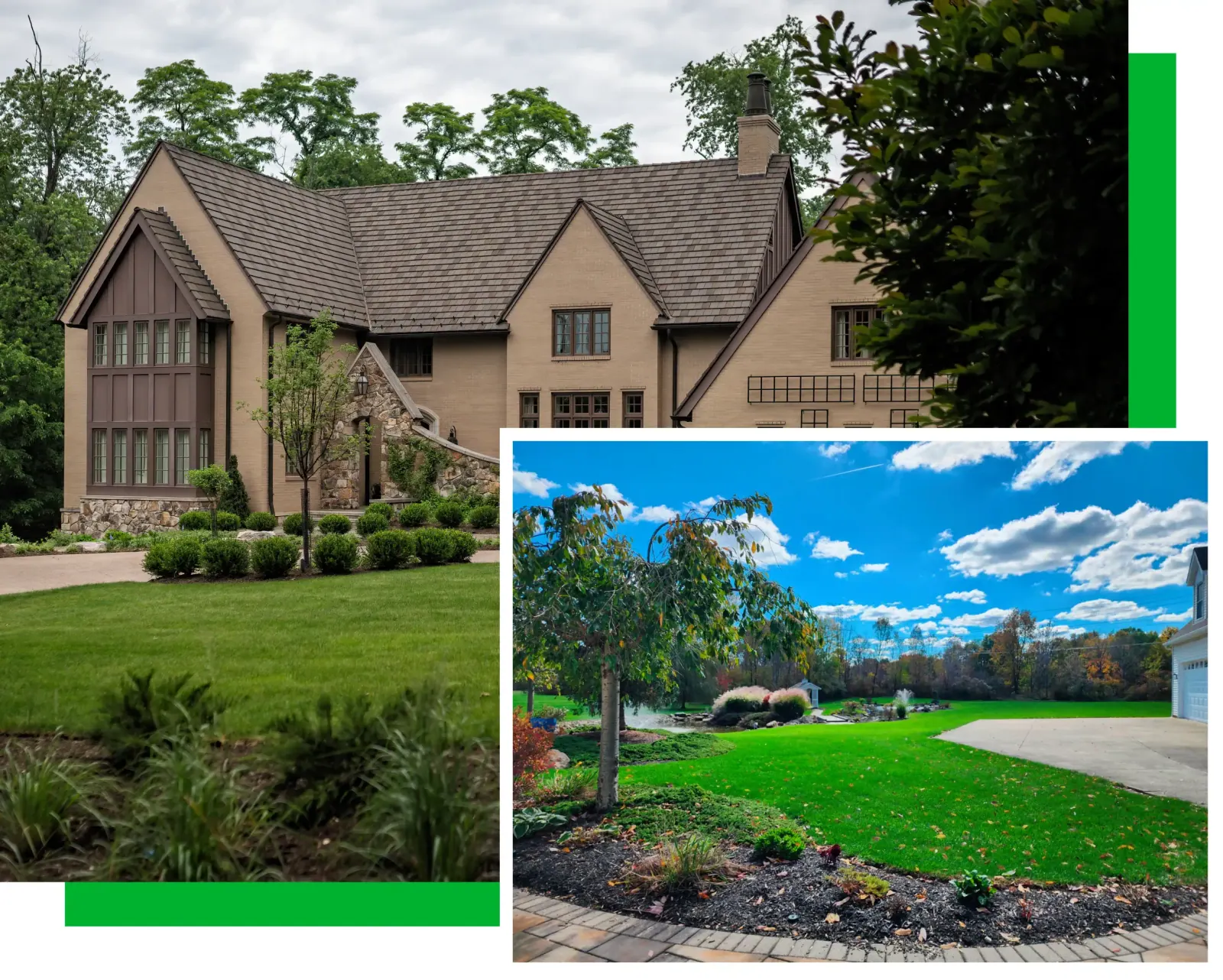


Late spring is the hinge. Soil finally stays warm enough that grass and ornamentals act hungry, humidity starts to matter for foliage, and the first real outdoor weekends fill the calendar. If you only react once brown patches or chewed leaves appear, you spend summer chasing problems that were easier to stage in May and early June. This guide is anchored to Western Pennsylvania and the greater Pittsburgh area, matches how we actually schedule work, and points only to services you can already read about on this site.
It pairs with, but does not repeat, our spring fertilization guide. Think of that piece as nutrition detail and this one as the wider seasonal sweep: turf habits, plant visits, pests that ramp up as temperatures settle, water, and the decorative layer guests notice first.
Turf: mowing and traffic before summer stress
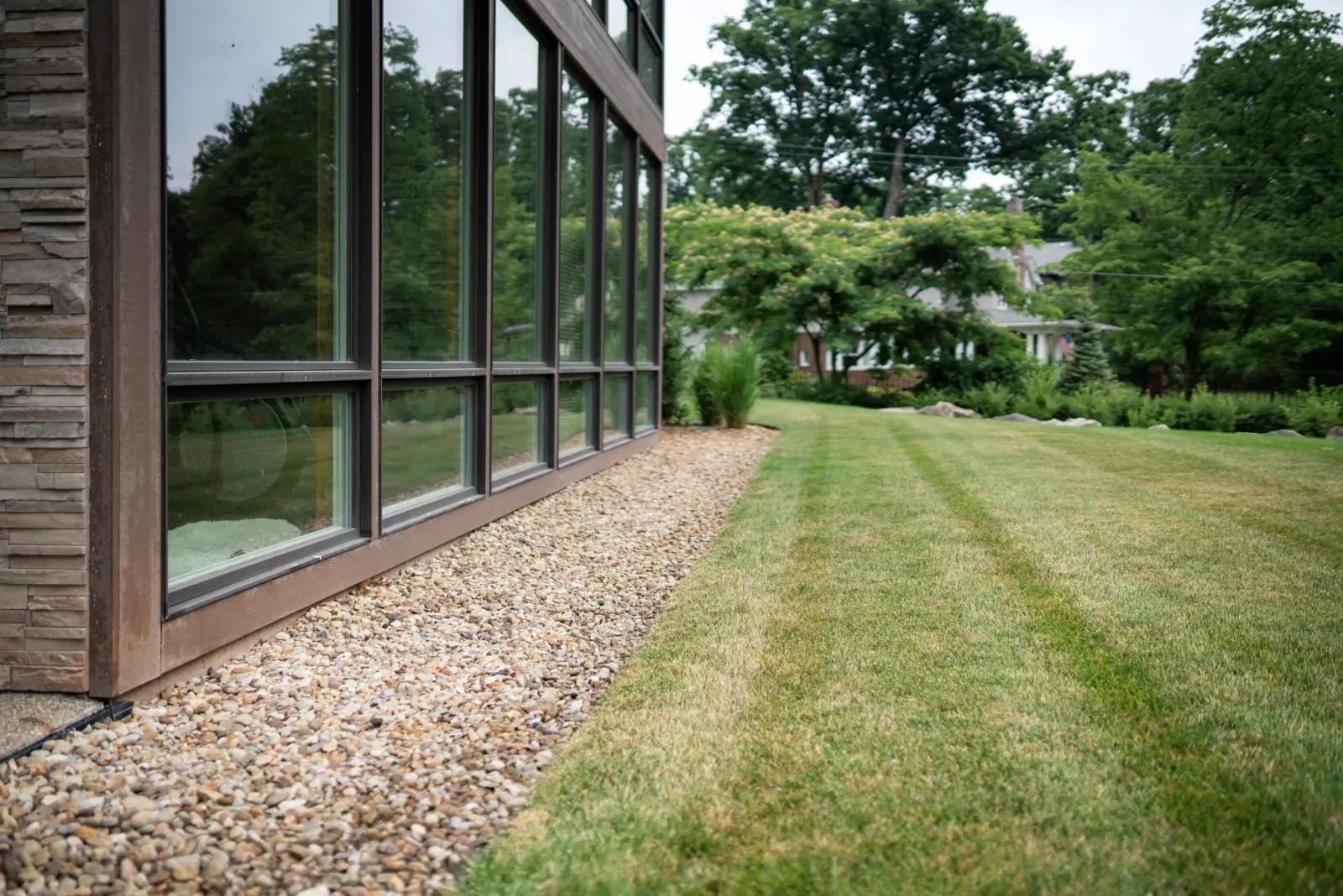
As growth speeds up, the temptation is to mow short so the weekend lasts longer. Cool season lawns around Pittsburgh usually respond better to a steady middle height that shades soil and slows moisture loss. If your program includes professional visits, keep blade height aligned with what your technician recommends for your mix of sun and shade. Scalping in late spring often shows up as thin spots by July, not the day of the cut.
If you are on a lawn care program, use this window to mention odd wet spots, new pet traffic, or construction wear that changed drainage. Those details affect how we think about fertilization timing and whether aeration and overseeding should stay on your fall radar. You do not need a perfect diagnosis; you need accurate notes from the ground you walk every day.
Weeds and insects in the turf layer
Spring weed pressure is familiar in our region; broadleaf cycles and annual grasses each have their own timing. If you skipped early season work, late spring is still a conversation worth having rather than waiting until weeds set seed. Our weed control page outlines how professional timing differs from a single box store application.
Grubs are not always visible yet in late spring, but skunk or raccoon digging can show up once food sources concentrate near the surface. If you see lifted turf or unexplained browning that does not track with drought, mention it when you call. Grub control is often about windows that make sense before damage spreads, which is why we like early signals even when you are unsure of the cause.
Humidity, foliage, and lawn disease awareness
Western Pennsylvania humidity rewards fungi that love tender leaf tissue. Brown patches are not always disease, but late spring is when patterns start to separate: circular patches, slimy feel in morning, or spots that follow mower stripes differently than simple dry soil would. Our lawn disease treatments section explains how we approach diagnosis before treatment, which matters because watering mistakes can mimic disease and vice versa.
Flea and tick season outdoors
As grass stays taller and edges grow thicker, ticks find more transitions between lawn and woods or stone walls. Fleas ride wildlife and pets through the same edges. Late spring is a practical time to ask about flea and tick control if your family uses the yard heavily or you border unmowed ground. We are not writing a scare story; we are naming a seasonal service line we already run for properties that want fewer biting pests in the outdoor rooms they actually use.
Plant health visits as leaves mature
Ornamentals tell a different story than turf. Early leaf expansion is when many insect and disease issues announce themselves on susceptible plants. If you have a plant health care program, late spring visits often focus on what changed since dormancy and what the next eight weeks tend to bring for common landscape species in our climate.
Where you need a targeted track instead of the full program, our plant insect prevention and plant disease protection pages describe how those visits differ in scope. Deer browsing intensifies as new growth softens; deer spray applications are a seasonal rhythm for many beds, not a one time event.
Irrigation reality check before dry weeks
June dryness surprises people who remember a wet May. Controllers that still run a cool weather schedule can give too much water to some zones and too little to others once heat arrives. Walk each station while it runs: look for heads blocked by growth, spray hitting pavement, and beds that never seem to wet evenly. If that sounds like your property, irrigation management services can be the right project the same year you refresh plant health or turf plans.
Color and front door impact
Late spring is when hosts and storefronts want pots and beds to read fresh for graduations, openings, and the first big cookouts. Seasonal color rotation services exist because annual turnover and plant choices that handle heat are a skill, not only a shopping trip. If hardscape sits under trees that shed heavy pollen or flower debris, patio cleaning services can sit in the same seasonal punch list so outdoor rooms look intentional before guests arrive.
Lime and soil thoughts without turning into chemistry class
If soil testing ever suggested a pH shift for your turf, late spring is a reasonable time to confirm whether lime treatments belong in the year’s plan alongside fertilization. You do not need to interpret the lab sheet alone; bring the numbers or ask us to fold testing into how we already manage your lawn.
A simple checklist you can run in twenty minutes
- Walk the lawn with attention to wet spots, hard edges along driveways, and any new thin areas since last fall
- Scan ornamental beds for chewed leaves, spotted foliage, or stems with obvious browsing
- Run irrigation zones once and watch coverage on turf and beds
- Note outdoor areas where people and pets sit longest, for flea and tick questions
- Decide whether front door color and patio presentation need professional help before summer events
How to turn the checklist into a plan
You do not have to check every box alone. Request a quote or call 412-822-9153 with your list and photos. We work across the communities we list under locations and will connect late spring findings to the services that actually fit, from lawn care bundles to plant visits, irrigation help, and seasonal color. The season moves quickly; an organized May conversation usually ages better than a rushed July fix after damage is easy to see from the street.