

Most families do not think about ticks until someone finds one on a sock after a barbecue. By then the yard already hosted weeks of outdoor meals, pet runs, and kids cutting across the same lawn to woods edge. The useful conversation happens earlier, when grass is growing fast and the transition zone between mowed turf and everything else is thick with humidity and litter.
This article is about that transition: what makes edge habitat, how it relates to professional flea and tick control, and what homeowners can adjust without turning the property into a sterile carpet. It is education, not medical advice; follow your physician for bite questions.
Where edge habitat forms
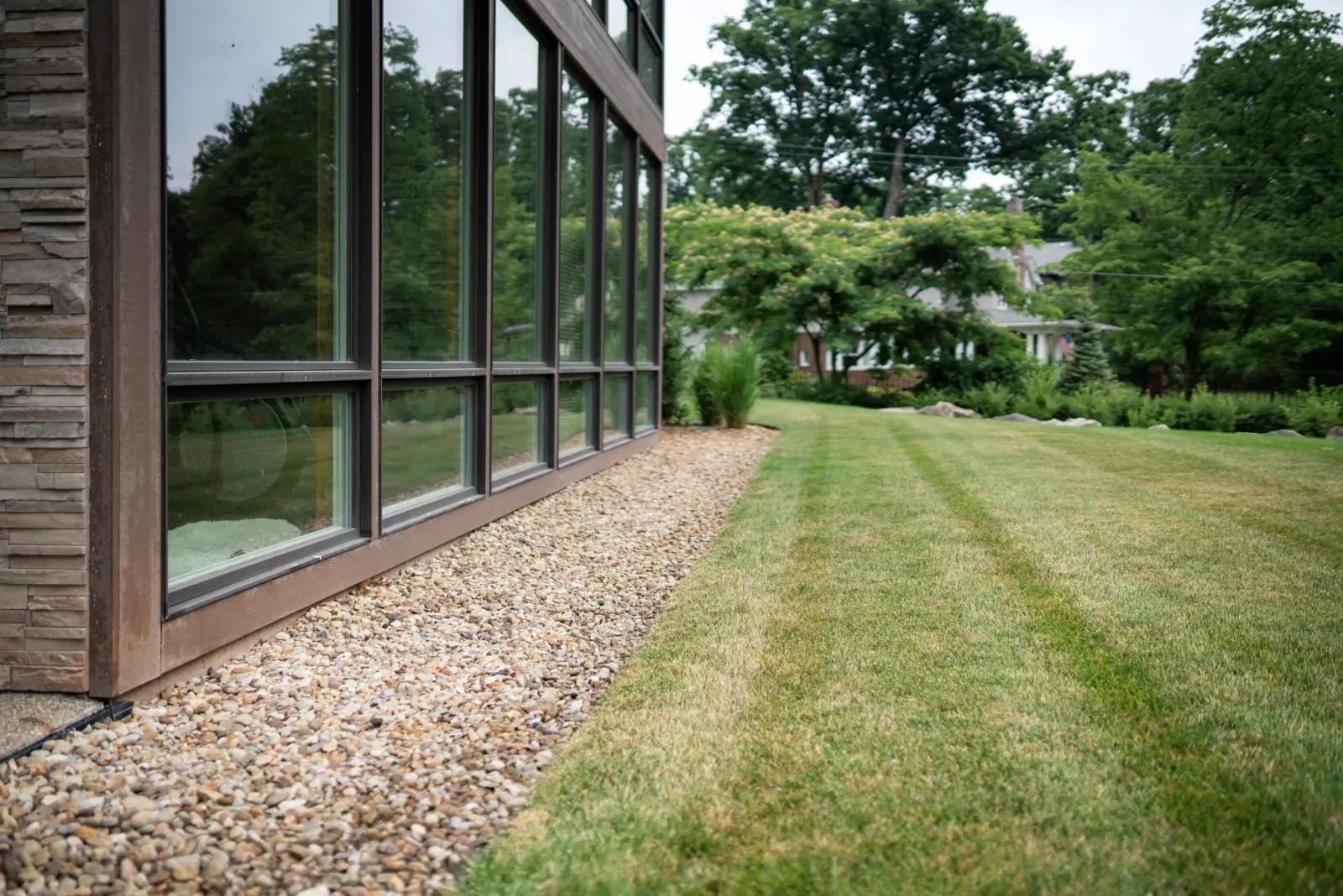
Ticks need moisture and hosts. Wood lines, stone walls, overgrown bed backs, and unmowed strips beside trails give both. Mowed lawn in the center can look perfect while the first ten feet beside brush carries leaf litter, rodent runs, and shade that stays cool into midday.
Dog paths that cut the same diagonal every day compress grass and keep litter in place. Play sets near trees blend toys, mulch, and shade in one package. Note those features on a sketch before you call; edge programs work better when they match real circulation, not only lot size.
Mowing, cleanup, and honest limits
Raising cut height on healthy turf supports roots; scalping the edge zone does not remove ticks by itself. Trimming overhanging branches and removing dead leaves from the transition band reduces humidity where pests wait. That work pairs with landscape maintenance when beds and wood lines are part of the same contract.
Deer increase traffic along edges; browse damage on shrubs is a clue worth pairing with deer spray applications and our deer browse article when plants and pests share the same corridor.
How professional perimeter programs fit
Perimeter treatments target zones where ticks encounter treated surfaces, timed to local activity patterns and label requirements. They are not a substitute for personal checks on people and pets after outdoor time. They do align with how many Pittsburgh area properties are laid out: usable lawn in the center, risky edge in predictable places.
Programs work best beside consistent lawn care so grass is not thin and weedy at the edge. Weed control and proper fertilization keep turf dense where you want people to walk. Thin turf invites different plants and more litter, which changes the edge microclimate over a season.
Water, disease, and look alikes
Overwatered edges stay humid. Under watered edges crack and still hold litter in shade. Irrigation walks described in our zone walk piece help separate water issues from pest habitat. Brown turf at the wood line may be drought, fungus, or mower stress; use our brown patch guide before you assume ticks explain every dead strip.
Grub digging and animal damage can disturb the same edge. Mention skunk activity if you see it when discussing grub control timing so turf repairs and pest plans stay aligned.
Plant health and family use patterns
Dense ornamentals along a patio can be beautiful and still create a humid skirt behind them. Plant health care programs manage plant issues; homeowners manage how much leaf litter collects where children play. Patio cleaning services and thoughtful furniture placement spread traffic away from the worst edge, similar to strategies in our patio edge turf article.
If you host often, coordinate tick work with the wider late spring checklist so irrigation, plant visits, and perimeter timing do not collide on the same weekend you need the yard clear.
Fire pits, wood piles, and stored brush
Seasoned firewood stacked beside the patio creates a cool, shaded pocket that rodents use and ticks follow. Move wood off the ground on rails when possible, and keep the stack away from play routes. Fire pit seating that faces woods concentrates people at the edge habitat; rotate seating toward open lawn when you can so bare feet spend more time on mowed turf you maintain weekly.
Regional context without fear language
Western Pennsylvania properties range from open lawns to steep wooded lots in Sewickley, Wexford, and surrounding townships listed on our locations page. Risk follows habitat and behavior, not zip code alone. Tell us how you use the yard: pets, wooded play areas, fire pit nights, and how often you maintain the transition band yourself.
Pets, play zones, and repeat routes
Dogs create edge highways between deck and woods. Those routes stay bare even when perimeter treatments run on schedule because litter and humidity persist in the track itself. Rotating play equipment for a few weeks and blowing clippings off the transition band after heavy mowing reduces harbor age without removing trees you planted for privacy.
Children’s play areas near shade need the same honesty. Turf under swings compacts like patio edges. If the play zone is always thin, discuss whether overseeding and aeration belong in fall and whether mulch or rubber surface fits better than fighting grass where traffic will never lighten.
Practical next steps
Walk your edge once with gloves and a bag for litter. Trim one overhang that shades the wettest strip. Photograph the edge where pets enter woods. Then request a quote or call 412-822-9153 to talk about flea and tick control alongside the rest of your landscape plan. For service fit questions, use our lawn quiz or the plant focused quiz linked from the blog index.