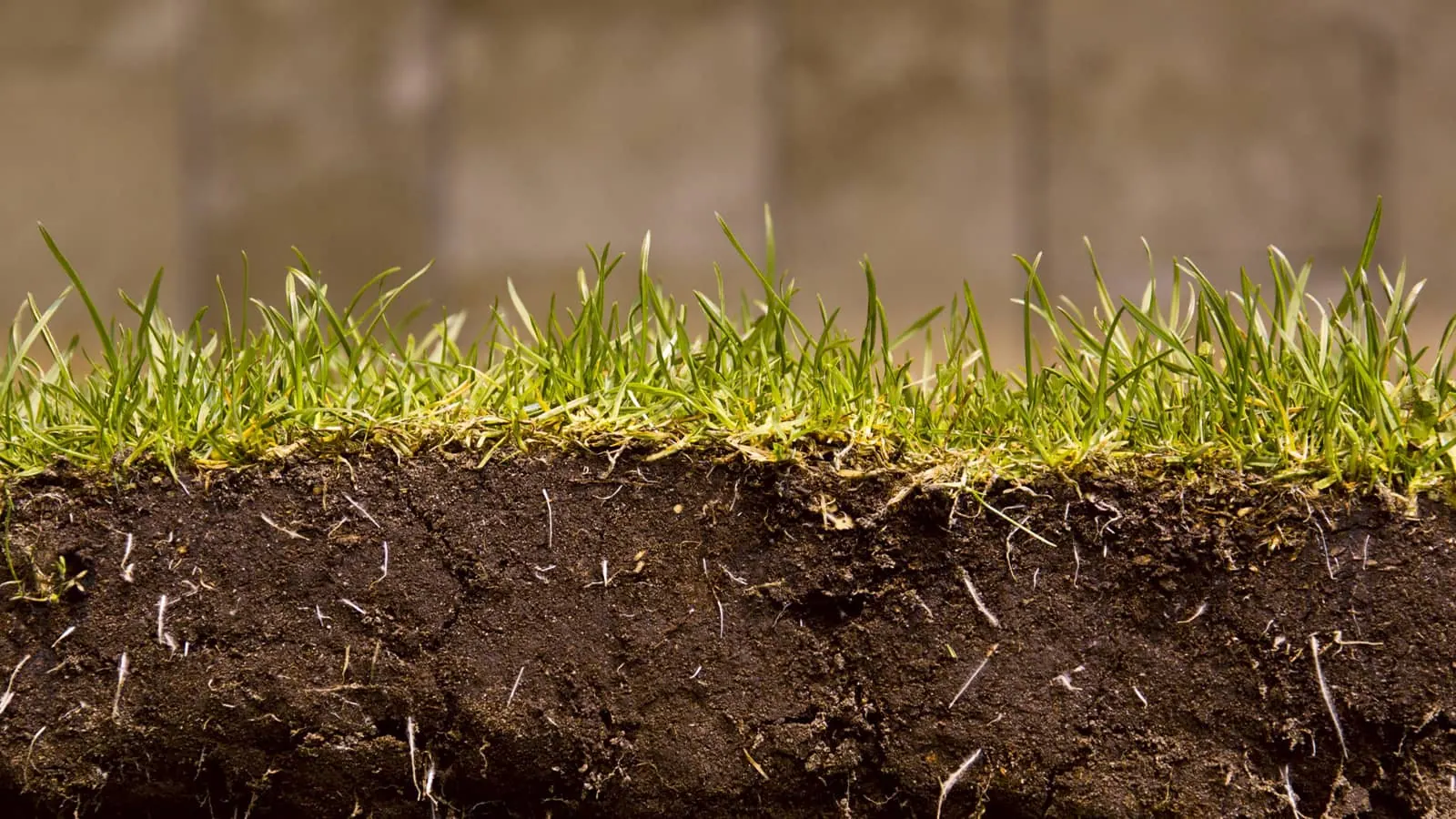
The zone clock in the garage still holds early spring settings on a Wexford lot. Back then cool nights and gentle rain kept clay moist with short cycles. Now sunny areas beside the driveway bake while the controller still treats the shaded backyard the same. Homeowners across Butler and Cranberry notice brown areas before full brown and assume grubs or fungus when the real story is minutes and aim left over from spring.
Keystone Green helps sort coverage from biology with irrigation management, grub evaluation, and lawn care programs on cool-season grass throughout western Pennsylvania.
Tan bands beside pavement mean different things
Uniform tan beside sunny drives with firm roots often means coverage, not insects. Circular patches with greasy margins after humid nights mean disease, not run-time edits alone on Butler County clay.
Photograph margins before treating so you do not spray fungicide on a dry lawn beside the mailbox.
Spring minutes that fail when humidity arrives
Short cycles that worked in cool weeks fail when afternoon warmth and school-break traffic stack on the same sunny band. Read our irrigation zone walk guide before you copy peak habits from a neighbor on different exposure.
One deep soak on the failing exposure beats three shallow passes that train roots shallow on humid clay suburbs.
Lift tests that separate grubs from drought
Gently tug turf at the edge of a suspect patch when grass is dry enough to walk without deep prints. If sod lifts with little resistance and roots look sheared, read our grub damage signs article before you treat every brown area from the street.
Firm roots and dry soil two inches down often mean watering or packed soil lead the story on Cranberry lots, not larvae alone.
Fix aim before global clock bumps
Run each zone at dusk and watch for spray on pavement, blocked heads, and bands that never get water. Adjust one exposure, wait two days, then touch the next valve on humid clay.
Irrigation management verifies pressure and head type before you rely on seasonal adjustment on the controller alone.
Mowing and feed while clocks catch up
Raise the deck as warmth arrives on Kentucky bluegrass blends. Structured fertilization with weed control keeps nutrition aligned while you settle water rhythm on clay that holds humidity unevenly.
See our late spring yard checklist before you lower the deck on tan margins that are dry from coverage gaps.
Shaded backyards that stay wet too long
North beds under maples stay moist long after rain while sunny driveways tan on the same zone program. Split zone edits one exposure at a time instead of global bumps that flood shade on Wexford lots.
Reduce shade minutes when leaf wetness invites brown patch on humid western PA afternoons.
Packed paths beside sunny drives
Garbage rolls and daily turns pack clay beside aprons until water runs off even when sprinklers run long. Aeration on worn paths helps moisture move after aim is fixed on Butler County properties.
Read our clay soil and aeration guide when traffic wear stacks with timer lag on the same sunny band.
When professional programs fit
Our lawn care visits layer feed with weed control on schedules tuned to western Pennsylvania humidity. Grub conversations belong with evidence on the same sun zones, not as default responses to every tan edge.
Confirm drive time on our Butler County location page before you scatter visits across three guesses on humid clay.
Call Keystone Green with margin photos
Take photos of the worst spots before you call—it saves guesswork on the first walk. Mark sunny versus shady zones and note whether damage appeared after warmth or after timer edits alone.
Contact Keystone Green or call 412-822-9153 with photos across Butler, Cranberry, and Wexford when irrigation rhythm and grub evidence should share one calm plan.