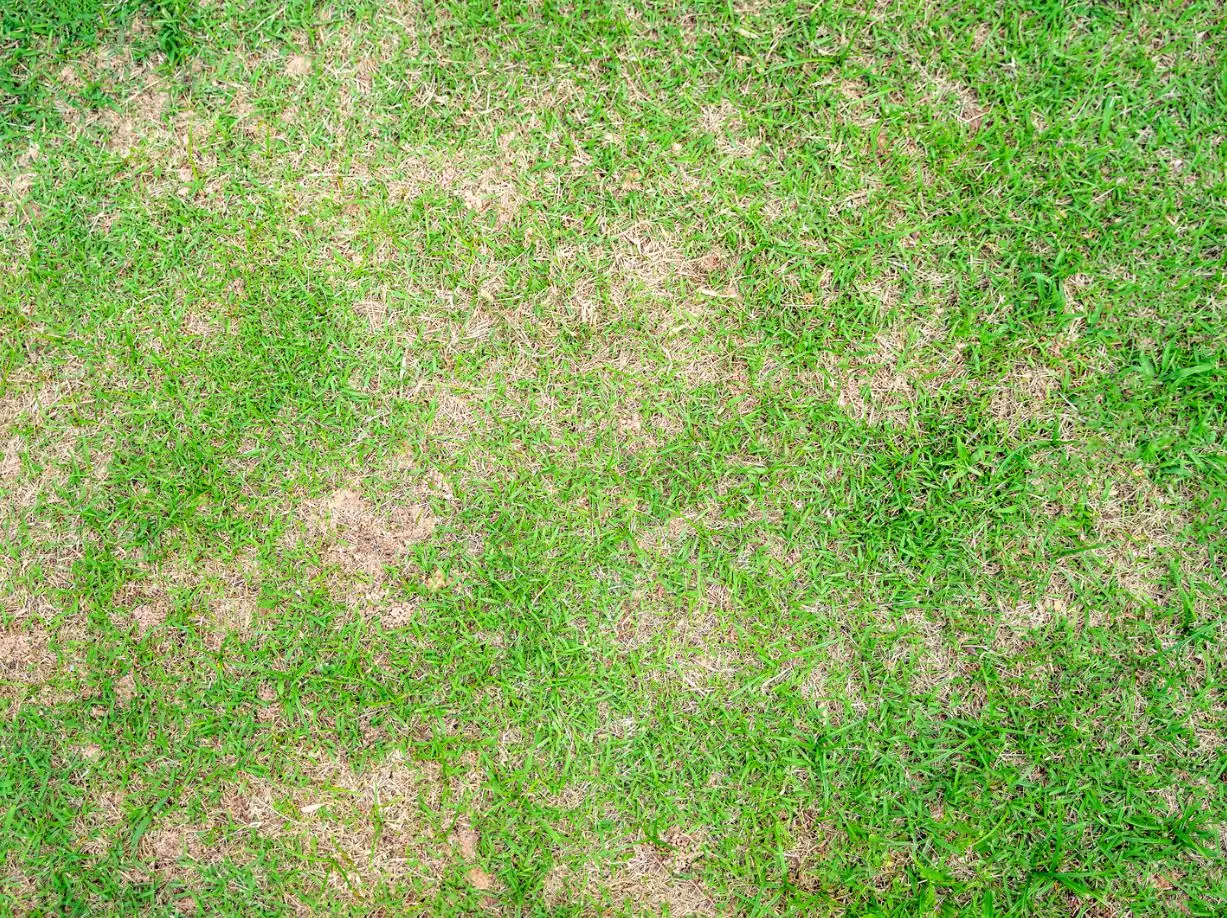
By mid-July, a lot of Western Pennsylvania lawns look alarming from the front step. Open turf goes tan, footprints linger, and the crunch underfoot makes homeowners assume the grass is gone. Most of the time it is not gone. Cool-season Kentucky bluegrass and fescue blends protect themselves by going dormant when heat and dry weeks stack up. Dormant turf looks dead but holds living crowns at the soil line, ready to green back when nights cool and moisture returns.
Keystone Green provides lawn care, irrigation management, and aeration across Butler, Cranberry, Wexford, and surrounding communities. This article is narrower than our peak-heat guides on mapping zones or timing fertilizer. The single question here is whether a browned lawn is dormant or truly dead on clay, and what that answer changes about watering, feeding, and reseeding right now.
The distinction matters because the wrong reaction wastes money and can make recovery slower. Panic reseeding in July drops expensive seed onto soil too hot to hold seedlings. Fertilizing dormant crowns pushes weak growth the roots cannot support. Reading the lawn first keeps you from spending on a problem that fixes itself when the weather turns.
What summer dormancy looks like on clay
Dormant turf browns fairly evenly across sun-exposed areas while shaded zones and low corners hold color longer. The tan comes on gradually over dry weeks, not overnight. Crowns and lower stems stay firm and pale green when you part the canopy and look at the base of the plant, even though the blades above are straw colored.
Clay in Cranberry and Wexford tends to hold subsurface moisture even when the surface bakes hard. That reserve is what carries dormant crowns through a hot stretch. South and west parkway strips beside pavement usually brown first because they dry fastest, while north beds and slopes that catch runoff stay greener on the same lot.
Dormancy is a survival state, not damage. A healthy cool-season lawn can hold in dormancy for several weeks and recover fully once temperatures ease and rain returns. The goal during that window is keeping crowns alive, not forcing the whole lawn back to green in the hottest part of summer.
How to tell dormant from dead
Use a few simple checks before you decide the lawn is lost:
- Tug a handful of browned grass. Dormant turf resists and stays anchored. Dead turf pulls out easily with little root.
- Part the canopy and look at the crown, the white or pale-green base at the soil line. Firm, plump crowns mean dormant. Brown, brittle, shriveled crowns mean dead.
- Check the pattern. Uniform tan across sunny areas points to dormancy. Sharp irregular patches, streaks, or spots that lift like a mat point to grubs, disease, or another cause, not simple heat.
- Water a small test area for a few days. Dormant grass shows green fuzz at the base within a week. Dead areas stay tan and never respond.
If patches lift like carpet or peel back with sheared roots, that is not dormancy. Read our grub damage signs article before you treat brown areas as a watering problem. Grub damage in July often hides beside heat-stressed strips, and the two need very different responses.
Watering to keep dormant turf alive
Once a lawn is dormant, the choice is whether to keep it dormant or wake it up. Both are valid, but bouncing between them is the mistake. Repeatedly wetting the surface then letting it dry can break dormancy halfway and drain crown reserves without regrowing the lawn.
To hold dormancy safely, give roughly a quarter inch of water every two to three weeks. That is enough to keep crowns hydrated without triggering full regrowth. To carry the lawn green through summer instead, commit to deep, less frequent watering that wets the root zone, and keep it consistent rather than starting and stopping.
On clay, packed surfaces can shed the first minutes of spray, so long slow cycles beat short bursts. If some strips never seem to get wet while others flood, mapping the zones matters more than adding minutes everywhere. Read our zone map guide and our coverage gaps on sloped clay article when brown strips sit next to green ones on the same controller.
What not to do in peak heat
Hold the fertilizer on dormant turf. Feeding crowns that are conserving energy pushes soft top growth the roots cannot sustain, and it can burn stressed grass. Our midsummer fertilization and weed control article covers when summer feeding actually helps and when it works against you.
Skip reseeding until conditions turn. July soil is too hot for cool-season seedlings, and new seed dries out faster than you can keep it wet. The reliable window for overseeding in Western Pennsylvania is late summer into early fall, when soil is still warm but nights cool and moisture is steadier. Plan thin areas for that window instead of fighting the calendar now.
Keep mowing gentle. Raise the deck, cut only when there is growth, and keep blades sharp so you are not tearing stressed leaves. Torn tips brown faster and can make a recovering lawn look worse than it is. Stay off crunchy dormant turf when you can, since foot traffic on brittle blades adds wear the crowns do not need.
When to call Keystone Green
If you are not sure whether heat, water, grubs, or disease is the real story, our lawn symptom quiz helps sort the priority before you spend on a product. Contact us when browning is sharply patchy rather than even, when turf lifts or pulls out easily, or when watering a test area for a week brings no green response.
Bring photos of the worst and best areas on the same day, plus your controller settings, when you request a quote or call 412-822-9153. Locations across Butler County, Cranberry, and Wexford share clay habits even when lot width differs, and a quick property walk usually settles the dormant-or-dead question faster than another bag of product from the shelf.