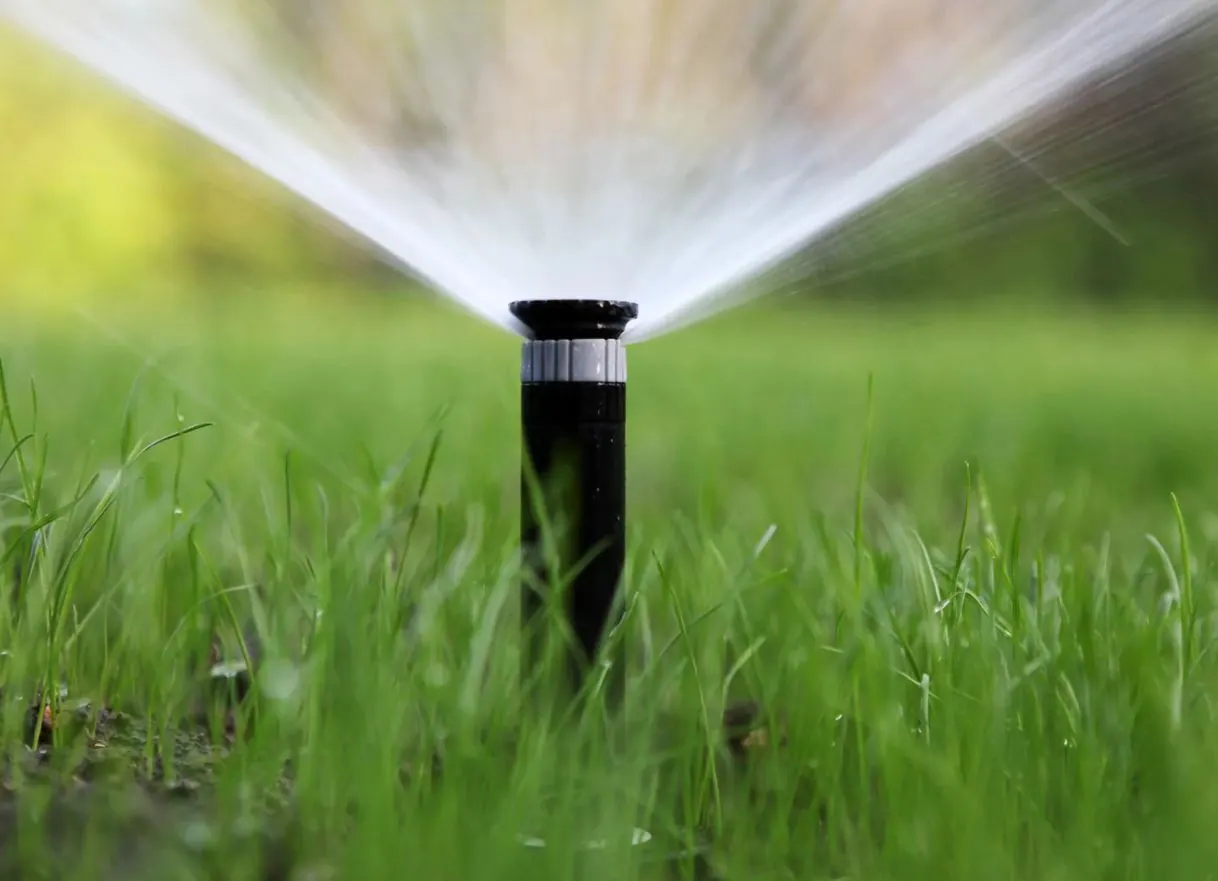
A new bed line, patio expansion, or tree planting can make last year’s sprinkler program wrong even when every head still pops. Spray that used to hit turf may land on stone. A shrub row may block a rotor. A grade change may send water toward the garage. After landscape design changes, update the irrigation program on purpose instead of adding minutes to every station.
Keystone Green handles irrigation management and coordinates broader design and construction through its relationship with Eichenlaub. This article is about the handoff between new landscape work and the controller, not about building a system from scratch.
Walk the new edges with the system on
Run each station in daylight after the landscape work is substantially complete. Mark heads that hit hardscape, beds that stay dry behind new plantings, and low spots that hold water against new walls. Photograph the dry and wet misses. Homeowners in Wexford and Cranberry often find one renovated corner breaks three stations while the back lawn still looks fine.
Bring the landscape plan if you have it. Overlay station numbers on the same sketch. That shared map keeps the irrigation tech and the landscape crew from blaming each other for a coverage gap nobody labeled.
Separate turf minutes from bed water
Turf and beds rarely want the same schedule on Western PA clay. New plantings may need temporary hand water or drip while lawn stations stay on a deeper, less frequent cycle. If one valve still covers both, note that conflict. Raising the mixed station to save new shrubs often softens lawn disease pressure in shade while still missing the sunny strip.
Use a zone map habit like the one in mapping lawn zones before peak heat. Design changes are exactly when that map should be redrawn. Pair it with lawn care notes when thin turf after construction is a soil story as much as a spray story.
Repairs and aiming come before more time
A blocked nozzle, tilted head, or buried body will not fix itself because the patio looks finished. Adjust aim and repair hardware before you rewrite run times. Cycle and soak still matter on clay when you do change minutes, so water enters instead of sheeting onto the new walk.
If renovation tools are also on the calendar, keep them sequenced. Aeration and top dressing after a landscape project should not fight a controller that still floods the old layout. Read how those renovation tools differ before you stack them on a coverage problem.
Homeowners in Butler County who finish a front walk rebuild often keep the old parkway program for weeks because the lawn still looks acceptable from the street. The miss shows first as a dry crescent behind new plantings or a wet strip along the new edge. Catching that early costs less than rebuilding thin turf after a hot stretch.
If the landscape change included new trees, remember that canopy will keep altering spray patterns for years. A station that looks perfect the week after install can throw short once leaves fill in. Put a midseason daylight check on the calendar the first summer after major planting so you are not surprised in peak heat.
What belongs in the closeout
After the irrigation update, save station notes, heads changed, program settings, and any areas still waiting on plant establishment water. Give a copy to the property owner and the landscape contact. The next spring startup should not rediscover that a rotor was capped behind a new hedge.
Call 412-822-9153 or request a quote when design work changed the yard and the lawn started telling on the old program. Browse locations if you manage more than one address. Clay stays familiar. The map of what the spray hits should change whenever the landscape does.