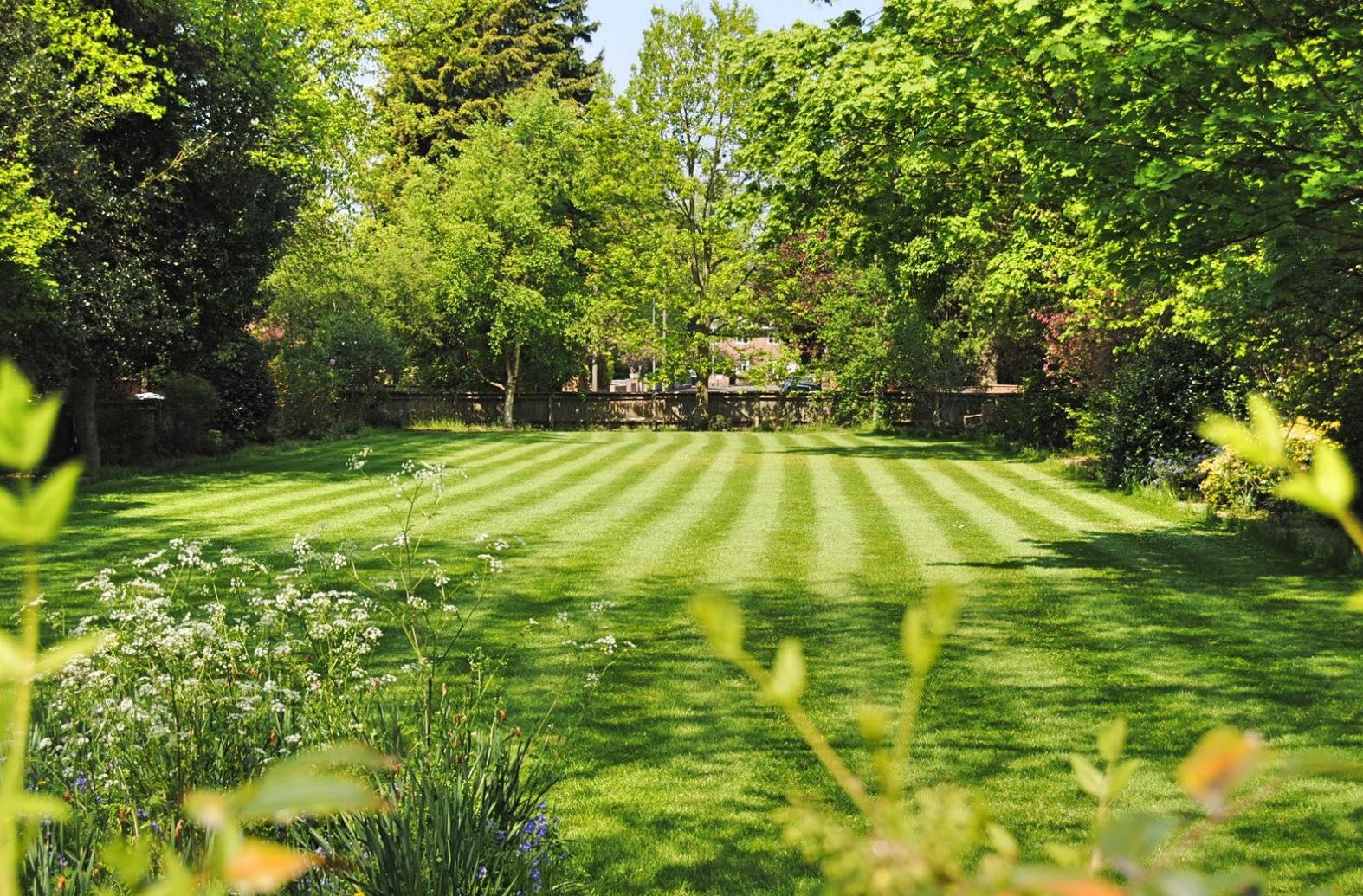
A good-looking yard in Pittsburgh can go sideways fast. One wet spring, one hot July stretch, or one week of dropped leaves in October, and your landscape maintenance schedule suddenly feels less like upkeep and more like catch-up. The fix is simple: follow the year in the order your property actually experiences it.
What this pittsburgh landscape maintenance schedule helps you stay ahead of
Your lawn, beds, shrubs, and hardscaping do not all need attention at once. But in western Pennsylvania, the seasons pile on quickly. Freeze-thaw cycles loosen soil and edging, spring rain exposes drainage problems, summer heat stresses cool-season grass, and fall leaf drop can smother a lawn almost overnight.
That is why a season-by-season schedule works better than a random checklist. You stop guessing what matters this month and start handling the jobs that make the biggest difference right now. For a shady backyard in Squirrel Hill, that may mean slower spring dry-out and more moss pressure. For a sunnier office property in Cranberry, summer heat and irrigation gaps may be the bigger problem.
The point is not perfection. The point is keeping your property consistently cared for, so small problems stay small.
What you’ll need before you start
Before you begin, get your setup in order. You do not need a garage full of fancy equipment, but you do need a few basics and a clear picture of what is on your property.
Your basic maintenance tools
Keep your tool list practical. For most home and small commercial landscapes, the basics are enough to handle regular care:
- Lawn mower
- String trimmer
- Hand pruners
- Loppers
- Leaf rake
- Garden rake
- Shovel
- Hose
- Work gloves
- Mulch fork or pitchfork
If you manage a larger property, add a spreader for fertilizer and seed, plus a wheelbarrow for mulch and debris. Sharp tools matter more than expensive tools. A dull mower blade tears grass instead of cutting it cleanly, and that rough brown look in summer often starts there.
Your property checklist
Make a simple inventory before the season gets busy. Walk the property and note your lawn areas, planting beds, trees, shrubs, drainage spots, downspouts, sidewalks, retaining walls, and any places that stay wet, thin, bare, or overgrown.
This takes maybe twenty minutes, and it saves hours later. You stop treating the whole yard like one problem and start seeing it as a few repeat zones that need different care.
Your pittsburgh timing notes
Your schedule should follow local cues, not a generic national calendar. In Pittsburgh, that usually means watching for the last frost, heavy spring rain, summer dry spells, and the long leaf-drop stretch in fall.
Microclimates matter too. A shaded lot holds moisture longer. A south-facing slope dries out faster. A roadside bed near salted pavement gets hit harder in winter. Build those notes into your timing, and your schedule will feel a lot more accurate.
Step 1: walk your property and build your baseline
Start with a full walkthrough before you touch a single bed edge or mower cord. This step gives you a baseline, which is just a clear starting picture of what is healthy, what is struggling, and what is likely to become a bigger issue.
- Walk the entire property slowly.
- Take notes on your phone or on paper.
- Mark problem spots by area, not just by task.
- Take a few photos for before-and-after reference.
Checkpoint: By the end of the walkthrough, you should know where water sits, where turf is thin, which beds need cleanup first, and what looks damaged after winter or storms.
Check lawn health, bare spots, and soggy areas
Look for thin turf, muddy sections, compacted paths, and any lawn area that stays wet long after rain. Compaction means the soil has been pressed tight, so water and air struggle to move through it. That often shows up near sidewalks, play areas, parking edges, or repeated foot-traffic routes.
- Scan for patchy or pale grass.
- Note any standing water or spongy ground.
- Flag bare areas for future seeding.
- Watch for ruts, washout, or winter salt damage.
These notes shape your spring repairs and your fall aeration plan.
Inspect beds, shrubs, and tree lines
Beds usually tell the story of winter first. Matted leaves, broken stems, salt splash, and early weeds show up before the lawn fully wakes up.
- Pull back leaf buildup and inspect the soil surface.
- Check shrubs for snapped, dead, or rubbing branches.
- Look for trunk or bark damage near walks and drives.
- Note beds where weeds already have a head start.
This gives you a clean starting point instead of wandering into spring cleanup blind.
Note hardscape and drainage issues
Patios, edging, walls, and runoff paths deserve a close look. One heavy spring rain can turn a small washout into a bigger repair.
- Check for shifted pavers, cracked edging, or loose stone.
- Watch where downspouts empty.
- Follow water flow after rain if possible.
- Note low spots near foundations, sidewalks, or bed corners.
Checkpoint: If water is flowing toward structures or pooling for days, fix that before spending money on seed or mulch.
Step 2: tackle early spring cleanup and reset your landscape
Early spring is your reset button. This is where your landscape maintenance schedule starts paying off, because cleanup now makes every task after it easier.
- Clear winter debris first.
- Trim what is clearly damaged.
- Redefine bed edges.
- Mulch after the soil surface is cleaned and settled.
Remove debris, sticks, and leftover leaves
Leaves packed against turf and beds trap moisture and block light. That can lead to matted grass, disease, and delayed green-up.
- Rake or blow debris from lawn and beds.
- Remove branches, litter, and winter leftovers near fences and buildings.
- Loosen any leaf piles pressed into turf.
- Compost or dispose of debris promptly.
A clean spring start changes the whole look of the property in a single afternoon.
Cut back damaged perennial growth and ornamental grasses
Perennials are plants that come back year after year. In spring, cut back dead top growth once you can tell what survived and where new growth is emerging.
- Trim dead perennial stems above fresh growth.
- Cut ornamental grasses down before new blades get tall.
- Leave anything questionable alone for another week or two.
- Remove soft, collapsed growth that will not recover.
The trick is patience. If you cut too early, you can remove growth that was just slow to show.
Edge beds and refresh bed lines
Fresh bed lines make a property look maintained almost instantly. It is the landscaping version of straightening the couch cushions before company comes over.
- Recut blurred bed edges with a flat spade or edger.
- Remove turf creep from planting beds.
- Clean soil and mulch back into place.
- Shape curves and corners consistently.
Even if nothing else has filled in yet, this step makes the whole property feel sharper.
Apply mulch the right way
Mulch helps hold moisture, reduce weeds, and moderate soil temperature. But too much causes trouble, especially around trees and shrubs.
- Spread mulch 2 to 3 inches deep in most beds.
- Keep mulch off trunks and stems.
- Go lighter in tight, shallow-rooted areas.
- Rake it smooth instead of piling it high.
Checkpoint: If a tree looks like it is sitting in a mulch volcano, pull the mulch back. Trunks need air, not a collar of wet bark.
Step 3: get your lawn on a workable spring-to-fall routine
Most Pittsburgh lawns are cool-season grass lawns. That means growth surges in spring and fall, then slows and stresses in summer. Your routine should match that pattern.
- Set your mowing schedule.
- Feed at the right times.
- Patch thin spots when conditions favor germination.
- Stay ahead of weeds before they spread.
Mow at the right height and frequency
Short grass is not healthier grass. In fact, cutting too low stresses turf and invites weeds.
- Mow often enough that you remove no more than one-third of the blade.
- Keep the mower height higher in summer.
- Mow more frequently during fast spring growth.
- Sharpen blades regularly.
Taller grass shades the soil, holds moisture better, and handles heat with less drama.
Feed cool-season grass at the right times
Spring feeding should be moderate. Fall feeding does more of the heavy lifting for turf recovery and density.
- Apply a light spring fertilizer if the lawn needs it.
- Avoid heavy feeding right before summer heat.
- Plan stronger fertilization for early and mid-fall.
- Water in products as directed.
Fall is the season that builds next year’s lawn. Full stop.
Spot-seed thin areas when conditions line up
Throwing seed on bad turf in late June is mostly wishful thinking. Seed needs timing, moisture, and contact with soil.
- Rake out dead material from thin spots.
- Loosen the top layer of soil.
- Apply seed suited for cool-season lawns.
- Keep the area evenly moist until established.
Spring can work for small patches, but early fall usually works better.
Watch for weeds before they spread
Weeds love weak turf, bare soil, and neglected edges. One scraggly patch by the driveway can turn into a real mess by June.
- Walk the lawn weekly in spring.
- Pull or treat weeds while patches are small.
- Keep edges trimmed and defined.
- Thicken turf over time so weeds have less room.
The catch is that weed control works best when paired with better lawn density.
Step 4: handle pruning, shrub care, and tree attention by season
Woody plants respond better to thoughtful cuts than constant random trimming. Start with plant health, then worry about shape.
- Remove obvious damage first.
- Time shaping cuts to the plant’s bloom cycle.
- Check young trees regularly through the growing season.
Prune dead, damaged, and crossing branches first
This is the easiest pruning to get right.
- Remove dead or broken branches cleanly.
- Cut out branches that rub or cross.
- Open crowded interiors slightly for air flow.
- Stop before you over-thin the plant.
Cleanup pruning solves a lot without turning the yard into a science project.
Shape spring and summer flowering shrubs at the right time
Some shrubs bloom on old wood, meaning stems formed last year. Others bloom on new wood, meaning current-season growth.
- Prune spring bloomers soon after flowering.
- Prune summer bloomers before active summer growth.
- Avoid random shearing if natural form matters.
- Skip major cuts late in fall.
That timing keeps you from accidentally removing next season’s flowers.
Check young trees for support, damage, and water needs
Newer trees need more attention than established ones, especially after wind or heat.
- Check stakes and ties for rubbing or tightness.
- Make sure the trunk flare is visible at the base.
- Water deeply during dry spells.
- Inspect for mower or string-trimmer damage.
Checkpoint: If the bark is scraped at the base, fix that protection issue right away. Repeated trunk damage can set a young tree back for years.
Step 5: stay on top of summer watering, weeds, and heat stress
Summer is where neglected landscapes start to show it. A steady routine matters more than heroic weekend catch-up.
- Water deeply.
- Check for stress weekly.
- Keep weeds from taking over beds.
- Reduce extra pressure on tired turf.
Water deeply instead of too often
Frequent shallow watering trains roots to stay near the surface, where heat dries them out faster.
- Water lawns less often but more thoroughly.
- Soak shrubs and beds at the root zone.
- Adjust for heavy rain before watering again.
- Watch slopes and clay soil for runoff.
Deep watering builds tougher roots, which is exactly what summer asks for.
Scout for stress before plants decline
Stressed landscapes usually whisper before they shout.
- Look for curled leaves and wilting tips.
- Check grass color for dull blue-gray patches.
- Notice scorch on exposed plants.
- Recheck newly planted trees and shrubs first.
Catch it early, and the fix is often simple.
Keep summer weeds and bed overgrowth in check
Summer weeds move fast, especially after rain and heat.
- Do one short weekly pass through beds.
- Pull or cut weeds before they seed.
- Trim plants that spill too far into walks or drives.
- Re-mulch thin spots if bare soil is showing.
Ten minutes here and there beats losing half a Saturday to a jungle.
Adjust mowing and foot traffic during heat
Heat-stressed turf needs a lighter touch.
- Raise mower height during hot stretches.
- Skip mowing if the lawn is drought-stressed and not growing.
- Shift repeated foot traffic where possible.
- Watch worn lanes near entries, play areas, and office routes.
This matters a lot on active properties where the grass never really gets a break.
Step 6: use fall as your best window for repairs and improvement
If you do one season especially well, make it fall. Cooler air, warmer soil, and steadier moisture give you the best chance to repair and improve your landscape.
- Aerate compacted turf.
- Overseed thin lawn areas.
- Refresh beds.
- Feed for winter strength.
Aerate compacted lawn areas
Aeration means pulling small plugs from the soil so air, water, and nutrients can move in.
- Target high-traffic and heavy-clay areas first.
- Aerate when the soil is moist, not soggy.
- Leave the plugs on the lawn surface.
- Pair aeration with overseeding if needed.
Compacted lawns rarely improve on their own.
Overseed to thicken cool-season turf
Overseeding means spreading grass seed into existing lawn to improve density.
- Mow and clean the lawn first.
- Spread seed evenly over thin areas.
- Rake lightly for seed-to-soil contact.
- Water consistently until seedlings establish.
This is one of the highest-payoff fall tasks you can do.
Refresh mulch and clean up planting beds
Beds benefit from a fall tidy-up, even if you save some cutbacks for spring.
- Remove spent annuals and obvious debris.
- Pull late weeds before seed drops.
- Top up mulch where it has thinned.
- Keep mulch clear of trunks and crowns.
Cleaner beds now mean an easier spring startup later.
Feed lawn and landscape for winter strength
Fall fertilization supports root growth and recovery better than a heavy spring push.
- Apply fall lawn fertilizer at the right time.
- Water it in if needed.
- Avoid overfeeding late soft growth on shrubs.
- Focus on root support, not a forced flush of top growth.
This is the season that sets up next year’s performance.
Step 7: prep your landscape for winter before the ground freezes
Winter prep is mostly about prevention. Handle a few small tasks now, and you avoid bigger headaches later.
- Stay ahead of leaves.
- Prep plants based on actual need.
- Protect water systems.
- Guard vulnerable plantings.
Keep leaves from matting on the lawn
Leaf cover blocks light and traps moisture.
- Mulch-mow light leaf layers into the lawn.
- Rake or blow heavy buildup off turf.
- Clear corners where leaves pile deeply.
- Repeat through the leaf-drop season.
One cleanup is rarely enough in Pittsburgh fall.
Cut back, cover, or leave plants based on what they need
Not every plant wants the same winter treatment.
- Cut back plants that collapse and turn messy.
- Leave seed heads or sturdy stems where winter interest helps.
- Cover tender plants only when needed.
- Wait on plants that prefer spring cleanup.
Useful winter prep is better than fussy winter prep.
Shut down irrigation and protect hoses and spigots
Frozen water can split fittings and lines.
- Disconnect hoses.
- Drain and store them.
- Shut down irrigation systems properly.
- Protect exposed spigots before hard freeze.
It is a small job with a very annoying repair bill if skipped.
Protect evergreens and vulnerable plantings
Open, windy sites and roadside beds take the biggest hit.
- Water evergreens before the ground freezes.
- Shield exposed plants from salt splash if needed.
- Protect trunks from animal damage.
- Check burlap or guards after storms.
Step 8: keep a simple winter watch list
January is not gardening season, and pretending otherwise gets silly fast. But a little winter monitoring helps you catch damage early and plan smarter.
- Check after storms.
- Watch problem edges and low spots.
- Use downtime for planning.
Check for storm damage and heavy snow load
Wet snow and ice can bend or split branches quickly.
- Inspect shrubs and trees after storms.
- Gently brush off loose snow if it is safe.
- Leave ice-bound branches alone.
- Mark major damage for later repair.
Safety first. Broken limbs over walks, drives, or parking areas should not wait.
Monitor drainage, salt damage, and plow impact
Winter damage often starts at the margins.
- Watch curb lines, sidewalks, and lot edges.
- Note plow scrape damage on turf and beds.
- Track salt burn on evergreens and grass.
- Mark recurring wet spots for spring fixes.
Plan upgrades while the landscape is quiet
Winter is a good time to think clearly.
- Review photos from the year.
- List recurring maintenance headaches.
- Schedule drainage or renovation work early.
- Plan bed changes or new plantings before spring rush.
Step 9: build your month-by-month pittsburgh maintenance calendar
Now turn the seasonal rhythm into something you can actually follow.
March through may priorities
- Walk the property and document issues.
- Clean debris, leaves, and winter damage.
- Edge beds and refresh mulch.
- Start mowing and monitor lawn health.
- Prune winter-damaged growth.
June through august priorities
- Mow consistently at a higher setting.
- Water deeply as needed.
- Weed beds weekly.
- Watch for heat and drought stress.
- Protect high-traffic turf.
September through november priorities
- Aerate compacted lawn areas.
- Overseed thin turf.
- Apply fall fertilizer.
- Clean and refresh beds.
- Stay ahead of leaf drop.
December through february priorities
- Check for storm damage.
- Monitor salt, runoff, and plow impact.
- Protect vulnerable evergreens.
- Plan upgrades and spring repairs.
Troubleshooting common landscape maintenance problems in pittsburgh
Even a good schedule runs into a few stubborn problems. Here is how to sort out the usual ones.
Why does your lawn stay wet for days after rain?
Start with the basics: compacted soil, poor grading, downspouts dumping in the wrong place, or too much shade. If the area squishes underfoot long after surrounding turf dries, aeration may help. If runoff keeps pouring into the same low spot, you may need to reroute water or correct the grade instead of just reseeding the same failing patch every year.
What if your grass looks burned in summer?
Check the pattern first. Heat stress often shows up as widespread dull color and slowed growth. Drought creates dry, crispy soil. Dull mower blades leave shredded brown tips. Pet damage usually shows up in smaller concentrated patches. Match the fix to the cause, or you will keep throwing water or fertilizer at the wrong problem.
What if shrubs look rough after winter?
Wait long enough to see what leafs out before making big cuts. Winter burn, salt exposure, and broken stems can make shrubs look worse in March than they really are. Prune dead material once new growth makes the damage obvious. If a shrub is repeatedly hit by salt or wind in the same exposed spot, replacement with a tougher plant may make more sense than endless recovery work.
What if weeds keep coming back?
Recurring weeds usually mean recurring conditions: bare soil, weak turf, thin mulch, mistimed treatment, or sloppy bed edges. Fix the invitation, not just the weed. Thicker lawn, cleaner edges, fresh mulch, and faster response in spring all reduce repeat outbreaks.
What results you can expect from following this schedule
A solid schedule will not give you a perfect property every day of the year. That is not the goal. What you get is steadier lawn growth, cleaner bed lines, healthier shrubs, fewer surprise repairs, and a yard or commercial landscape that looks cared for more often than not.
That difference is easy to see. Instead of one polished weekend followed by three rough ones, your property holds together through the season.
Your next move: start with one seasonal reset
Do not try to overhaul the entire year in one shot. Start with the season you are in right now, walk your property, and fix the few things that matter most first. That one reset, whether it is spring cleanup or a fall repair plan, is usually enough to get the rest of your landscape maintenance schedule moving in the right direction.
- Disclaimer: This article is for general informational purposes only. It is not professional advice, a quote, or a service agreement. Conditions at your home or property may differ; contact a qualified professional for an on-site evaluation before making repair, safety, or spending decisions.
Disclaimer: This article is for general informational purposes only. It is not professional advice, a quote, or a service agreement. Conditions at your home or property may differ; contact a qualified professional for an on-site evaluation before making repair, safety, or spending decisions.