Property landscaping services are the outdoor services that keep your yard or grounds healthy, usable, and good-looking. If that phrase sounds broad, that’s because it is, and knowing what falls under it makes it much easier to stop paying for the wrong work and start fixing what your property actually needs.
What “property landscaping services” actually means
In plain English, property landscaping services cover the care, cleanup, planning, and improvements that happen outside your home or commercial building. That can include mowing the lawn, trimming shrubs, pulling weeds, refreshing mulch, planting new beds, fixing drainage, or building features like a walkway or retaining wall.
A lot of people hear “landscaping” and picture flowers and fancy design sketches. But most landscaping is much more practical than that. It’s the weekly or seasonal work that keeps your property from looking tired, overgrown, patchy, or hard to manage.
Think of it like home maintenance for the outside. Some tasks are routine, like mowing and edging. Some are repairs, like fixing a soggy side yard. Some are upgrades, like adding a patio or reworking beds that never looked right in the first place.
The main types of landscaping services
The easiest way to understand landscaping is to break it into a few main categories. Once you do that, matching your property to the right help gets a lot simpler.
Lawn care and routine maintenance
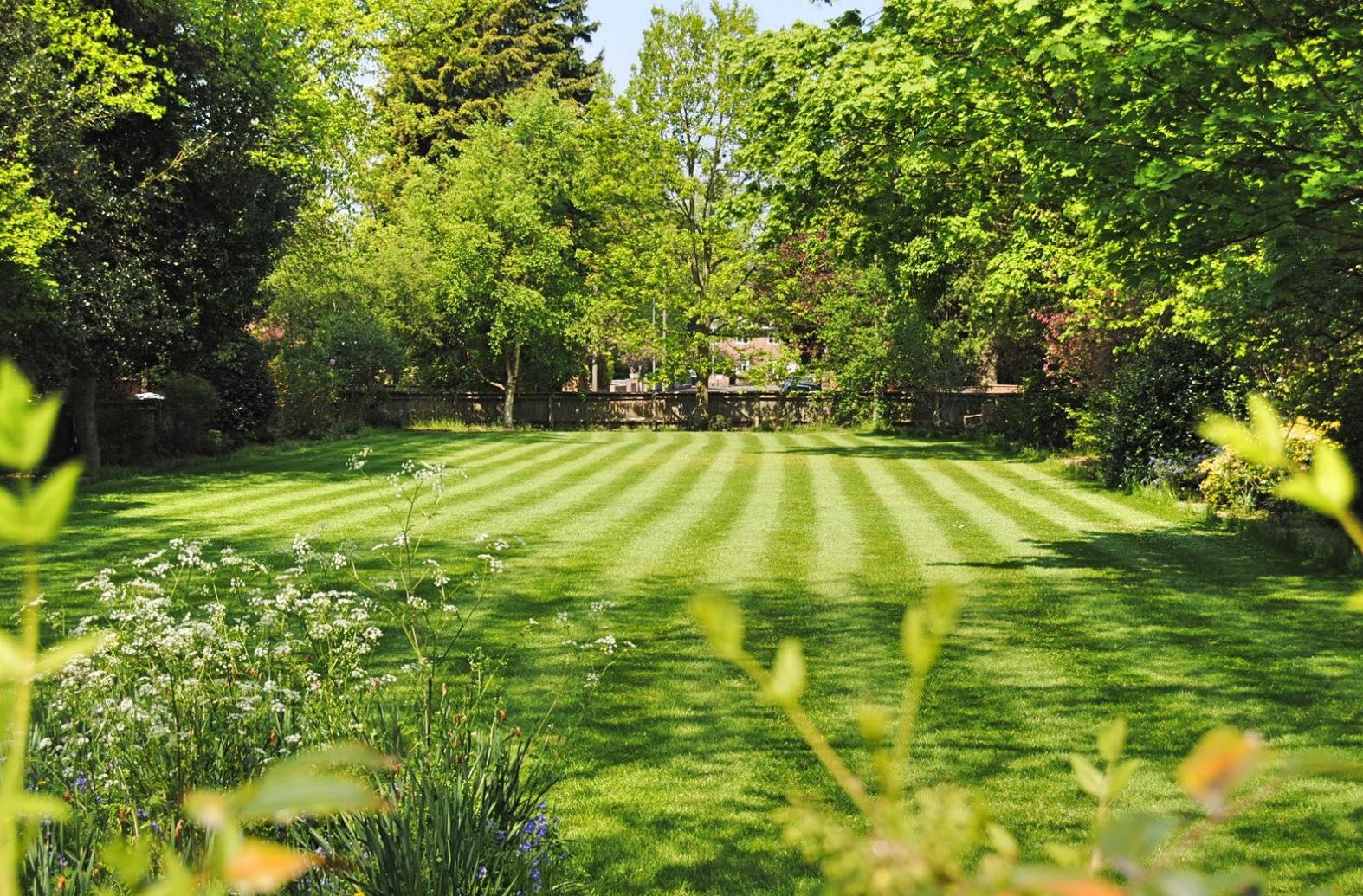
This is the basic upkeep side of landscaping. It usually includes mowing, edging, trimming, fertilizing, weed control, and general tidying. If your grass grows fast in late spring and starts looking shaggy by the weekend, this is the service category you’re dealing with.
For most properties, routine maintenance is the first thing to get right. A healthy lawn and clean edges instantly make a place feel cared for. And honestly, even nice planting beds won’t matter much if the lawn looks uneven and weeds are creeping over the sidewalk.
Landscape design and planting
Landscape design is the planning side. It answers a simple question: what should go where, and why?
That might mean reshaping garden beds, choosing shrubs that fit the space, placing a tree where it won’t outgrow the area, or adding seasonal color near an entryway. Planting work often follows design work, but not always. Sometimes you just need a bed refresh with better plant choices, not a full redesign.
If your yard feels random, patchy, or like it never quite comes together, design is usually the missing piece.
Cleanup and seasonal services
Seasonal work covers the jobs that don’t need to happen every week but matter a lot when the time comes. That includes spring cleanup, fall leaf removal, pruning, bed cleanup, and storm debris removal.
In the Pittsburgh area, this is easy to picture. After a windy fall week, leaves can pile up fast and turn a neat yard into a mess almost overnight. The same goes for broken branches after a storm or winter debris that shows up once the snow is gone. Seasonal services keep your property from getting stuck in that “it got away from you” stage.
Hardscaping and outdoor features
Hardscaping is the built part of your outdoor space. In other words, the non-plant stuff: patios, walkways, retaining walls, drainage solutions, edging, and similar features made from stone, brick, pavers, or other structural materials.
This matters because some outdoor problems are not plant problems at all. If water is running toward your foundation or a slope is washing out every heavy rain, more mowing won’t fix it. That’s a hardscape or drainage issue.
Which services you actually need depends on your property
Not every property needs the full menu. The right mix depends on what kind of place you have and what shape it’s in right now.
If you own a home
Most homes need the basics: mowing, edging, seasonal cleanup, mulch refreshes, and occasional pruning. That alone handles a huge share of what makes a property look neat and cared for.
Design help starts making sense when beds look thin, shrubs are outgrowing the space, drainage is messy, or curb appeal feels tired no matter how often the lawn gets cut. If the front yard looks a little worn every time you pull into the driveway, that’s usually a sign the property needs more than maintenance.
If you manage a commercial property
Commercial properties need consistency. The goal is not just appearance, but also safety, reliability, and a clean first impression.
That means recurring maintenance, tidy entry areas, weed control, and a plan for seasonal work. In this region, it can also mean thinking ahead about snow or ice management. First impressions start in the parking lot, not the lobby, and overgrown edges or neglected islands near the entrance send the wrong message fast.
If the property has problem areas
Some properties have one or two spots that never look right. Bare patches in the lawn. Pooling water. Eroding slopes. Overgrown shrubs. Plants that struggle every year. Beds that need constant attention and still look rough.
Here’s the thing: fixing the problem beats repeatedly mowing around it. Standard lawn service is for upkeep. It is not a cure for drainage issues, failing plantings, or worn-out design. If one area keeps frustrating you, that area probably needs targeted work, not more routine visits.
Signs You’re paying for too Much, or not enough
The goal is not to buy every service available. The goal is to cover the work your property actually benefits from.
Services worth keeping on a regular schedule
Regular mowing, edging, weed control, seasonal cleanup, and pruning at the right times usually pay for themselves in appearance and prevention. These are the services that stop small issues from turning into ugly, expensive ones.
A lawn left too long gets harder to recover. Weeds spread. Shrubs get leggy. Beds collect debris. Routine work keeps everything manageable.
Services you may only need occasionally
Other services are more seasonal or as-needed. Mulch installation, planting updates, bed redesign, aeration, overseeding, drainage corrections, and hardscape repairs usually do not belong on a monthly invoice.
The trick is separating maintenance from projects. Maintenance keeps things going. Projects change, fix, or improve something.
Red flags in a service package
Be careful with vague bundles. If “full service landscaping” is listed without a clear scope, that’s a problem. You should know what gets done, how often, and what counts as extra.
Another red flag is a one-size-fits-all approach. A shaded city lot in Pittsburgh and a large lawn in Fox Chapel should not be treated like the same job. If the service package ignores the way your property actually works, you’re probably paying for a poor fit.
What to expect when you ask for an estimate
Getting an estimate should feel straightforward, not mysterious. A good visit helps sort routine needs from actual problems.
What a good walkthrough should cover
A proper walkthrough should cover lawn size, trouble spots, plant health, drainage, access, visit frequency, and your goals for the property. Even a quick walk around can reveal a lot, like a soggy side yard after a hard rain in Mt. Lebanon or shrubs blocking sightlines near a parking lot entrance.
This part matters because pricing without context is mostly guesswork. The more clearly the property is assessed, the more useful the estimate will be.
Questions to ask before you hire anyone
The best questions are simple. What exactly is included in maintenance? How often are visits scheduled? Who handles cleanup? Are mulch, plants, or other materials included? How is seasonal work priced? How are changes approved?
The catch is that “maintenance” can mean very different things from one company to the next. Getting clear on the scope upfront saves headaches later.
How to choose the right landscaping help for your situation
You do not need to know industry jargon. You just need to match the problem to the right kind of help.
Lawn maintenance crew vs. landscape designer vs. specialty contractor
A lawn maintenance crew handles recurring care like mowing, trimming, edging, and general upkeep. A landscape designer plans layouts, plant choices, and bed improvements. A specialty contractor handles focused work such as drainage fixes, tree care, retaining walls, patios, or other hardscape projects.
If the property looks messy, start with maintenance. If the space feels outdated or awkward, look at design. If there is a specific issue like water, slope failure, or damaged masonry, call the specialist.
One-time project vs. ongoing service
Some properties need a one-time cleanup. Some need a redesign. Most need ongoing maintenance at least during the growing season.
And a lot of places need both, just at different times of year. A spring cleanup and mulch refresh can set the property up well, then recurring visits keep it looking that way.
Common questions about landscaping services
Is lawn care the same as landscaping?
No. Lawn care is one part of landscaping. Landscaping is the broader category that includes lawn service, planting, design, cleanup, drainage work, and outdoor improvements.
How often should landscaping be done?
Routine mowing and maintenance are often weekly or every other week during peak growing season. Cleanup, pruning, planting, and similar work are usually seasonal.
Is professional landscaping worth it for a smaller property?
Yes. Smaller spaces often show neglect faster, not slower. Professional help is worth it when you want to save time, fix recurring issues, or keep the space sharp without giving up every weekend to yard work.
What’s The best first service to try?
Start with a property walkthrough and a basic maintenance plan. That gives you a clear picture of what needs regular attention, what only needs seasonal work, and what problems are worth fixing instead of circling with a mower all summer.
- Disclaimer: This article is for general informational purposes only. It is not professional advice, a quote, or a service agreement. Conditions at your home or property may differ; contact a qualified professional for an on-site evaluation before making repair, safety, or spending decisions.
Disclaimer: This article is for general informational purposes only. It is not professional advice, a quote, or a service agreement. Conditions at your home or property may differ; contact a qualified professional for an on-site evaluation before making repair, safety, or spending decisions.