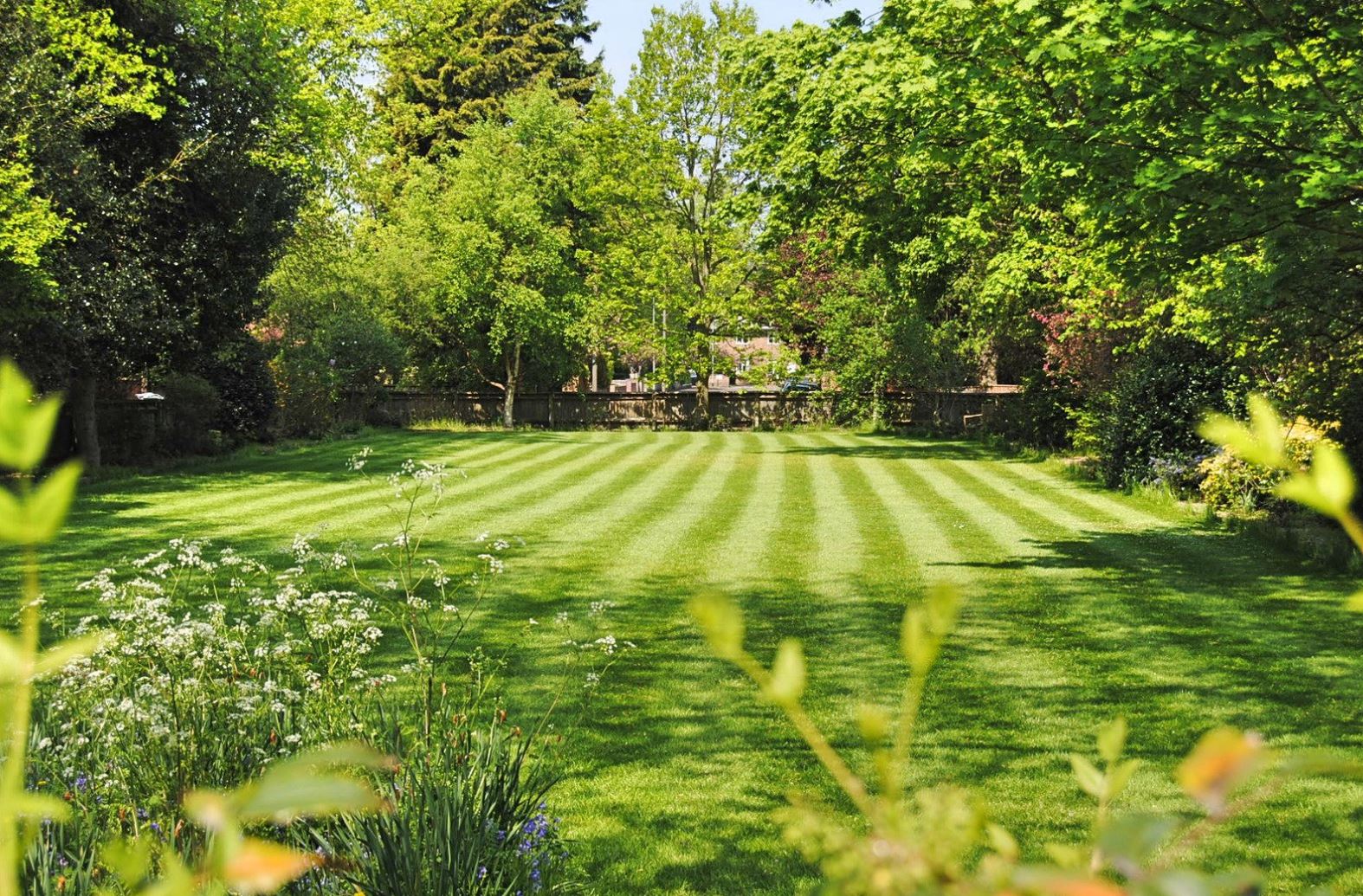
People picture lawn service as a mower and a noise. On a Pittsburgh property, a normal visit is a short sequence of decisions, and the ones you cannot see are often the ones that keep the yard from looking chewed up. Knowing that sequence makes it easier to tell a thorough crew from a fast one.
Before the crew gets out of the truck
A useful visit starts with a look. Wet soil, debris, a new obstacle, a pet in the yard, or a lawn that surged after a week of rain all change how the cut should go. Crews that skip that look tend to leave ruts, clumps, or a height that made sense last month and does not make sense today.
Here’s the thing: you can help the visit without doing the work. Gates open, cars off the lawn, toys and hoses out of the pattern, pets inside. That is access, not a lawn project. The cutting, trimming, and cleanup belong to the crew.
What a standard visit usually covers
On a maintained property, the core of the visit is the turf you already have.
The cut
The mower should match the lawn, not fight it. Open areas get cut in a pattern that does not scalp the high points or leave stripes of missed grass in the dips. If the lawn is too wet, a careful company waits or adjusts. Forcing a cut through saturated Pittsburgh clay is how a yard gets torn up and then blamed on “the season.”
Clippings left in heavy clumps are a sign the grass was too long or the pass was rushed. A light scatter that disappears into the canopy is different from a hay pile along the edge.
Trimming and edging
String trimming cleans what the mower cannot reach: fences, posts, beds, and the awkward geometry around steps and air conditioners. Edging is the cleaner line where grass meets a walk, a curb, or a drive. Some companies edge every visit. Some rotate it. You should know which one you hired, because a yard can be well mowed and still look unfinished if the edges are soft.
Hard surfaces
Blowing clippings off walks, drives, and patios is the step that makes the visit look complete from the street. If the lawn is sharp and the sidewalk is furry, the visit stopped one task early.
What a good crew notices while they are there
The visit is also a set of eyes. Thinning along a path, a soggy pocket, weeds taking a corner, or a spot that browns in the same shape every time are worth a mention. You are not hiring a silent mower if the company says they care for the lawn. You are hiring people who should be able to tell you when mowing is no longer the whole story.
That note does not have to be a speech. It does have to be specific. “The side yard is getting thin under the maples” is useful. “Everything looks great” is not, if you can see that it does not.
After they leave
Walk the usual trouble spots once the truck is gone. Edges, the gate side, the slope, the strip by the driveway. You are checking whether the scope you agreed to happened, not looking for a reason to redo the crew’s job yourself.
If something was skipped, say what you see while it is still obvious. If the lawn was too wet and they left, that can be the right call. Ask when they will be back rather than assuming the week was simply missed.
A wet week changes the visit, and it should
Pittsburgh springs do not care about the route sheet. If the ground is saturated, the right visit may be a delay, a higher cut, or a skip of the slopes that would rut. A crew that powers through because the calendar said Thursday can leave tracks you notice longer than you notice the cut.
Ask ahead of time how they make that call and how you hear about it. The answer should be boring and specific. That is a good sign. The dramatic version, where nobody can say why the yard was torn up or why it was skipped, is the one that turns a normal service into an argument.
What this visit is not
A weekly cut does not reseed a bare patch, rebuild a low spot, or solve a drainage issue. If those are showing up, they belong in a separate conversation. Expecting them to disappear because the mower came on Thursday is how people decide lawn service “does not work,” when the service they bought was never meant to do that job.
Try one thing on the next visit: look at the edges and the walks before you look at the open lawn. That is where a rushed stop gives itself away.
Disclaimer: This article is for general informational purposes only. It is not professional advice, a quote, or a service agreement. Conditions at your home or property may differ; contact a qualified professional for an on-site evaluation before making repair, safety, or spending decisions.