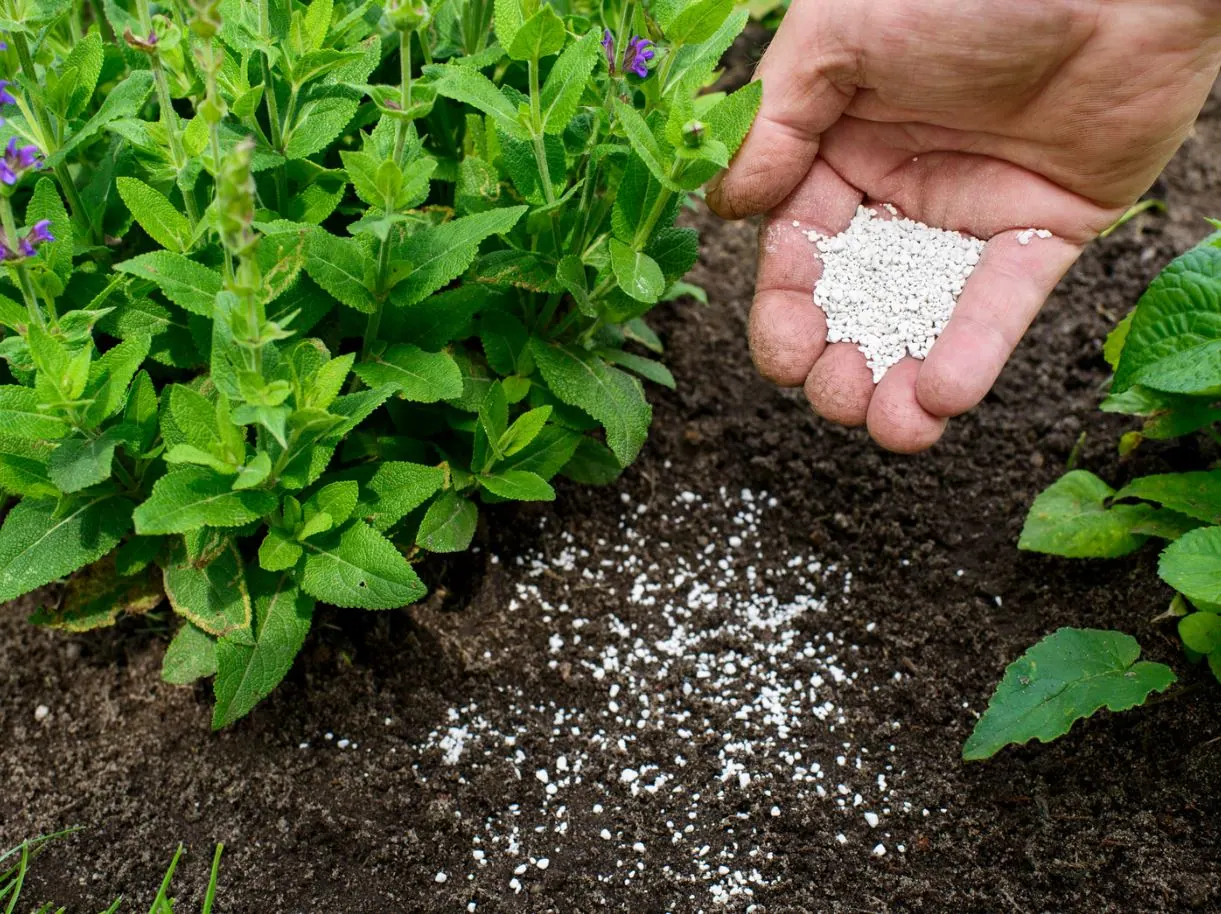
If you are thinking about using soil testing to guide lime, there is probably a practical reason behind it. Something may not be working the way you expect, or you may be planning ahead before a repair, renovation, seasonal change, or busy period. Western Pennsylvania soils vary by site history, fill, slope, and management even within the same neighborhood. The most helpful place to begin is with what you want the finished result to do for your lawn, then look at the details that can affect that result.
A thin, brown, or uneven area of turf can have more than one cause. Looking at soil pH, buffer pH, and soil type helps separate the visible pattern from the conditions below and around it. Recent weather, mowing, watering, and earlier treatments add context. The goal is to avoid treating one possibility while a different issue continues to stress the lawn.
The review should also include grass condition, application history, and target turf species. These details can make damage look worse, slow recovery, or create a pattern that resembles insects or disease. Considering them does not mean every lawn problem has a long list of causes. It simply helps make sure the treatment matches what the turf is actually experiencing.
A tempting first answer is assuming every Western Pennsylvania lawn needs the same lime rate. The problem is not that this is always wrong. It is that the answer can be incomplete when the surrounding setup tells a different story. A little context makes it easier to keep a focused job focused and recognize when another detail truly changes the plan.
A Common Question
Take a few close photos and one wider photo before changing mowing, watering, or treatment. The wider view helps show the pattern, while the close view preserves leaf and soil details. You do not need a formal report. A few clear notes or photos related to soil pH, buffer pH, and soil type can make the first conversation far more useful.
Access can be just as important as the condition itself. If stored items, furniture, landscaping, tenant schedules, building rules, or another project affect the area, mention that before the property visit. It gives us a realistic plan for reaching the work and helps avoid a return visit that was needed only because an important area was unavailable. When reviewing using soil testing to guide lime, keep any follow-up tied to a clear change involving target turf species.
The useful question is not simply, 'What can be done?' It is whether lime is needed, how much is justified, and when another soil issue deserves attention. That keeps the recommendation tied to an outcome rather than a list of services. You should know why each proposed step is included, what inconvenience it may create, and whether leaving part of the existing lawn unchanged is a reasonable choice.
A few plain questions can keep the conversation useful. Ask how the condition around soil pH affects the recommendation, whether anything involving buffer pH needs to be handled before the work, and what you should know about target turf species afterward. The answers should connect each detail to the result you care about.
A proportional recommendation explains both what needs attention and what can stay unchanged. That balance matters with using soil testing to guide lime, especially when a nearby feature looks related but does not affect the result. Knowing what is outside the work can be just as useful as knowing what is included.
During the property visit, we keep the conversation centered on the reason you reached out. We will explain what we can confirm, what may need another step, and how the recommendation connects to your everyday use of the lawn. The goal is for you to understand the plan without needing technical vocabulary to evaluate it.
The goal is not to collect every possible concern around the lawn. It is to understand the few details that matter for using soil testing to guide lime and make a comfortable decision from there. A good result should make sense in everyday use, not only sound convincing in a proposal or service explanation.