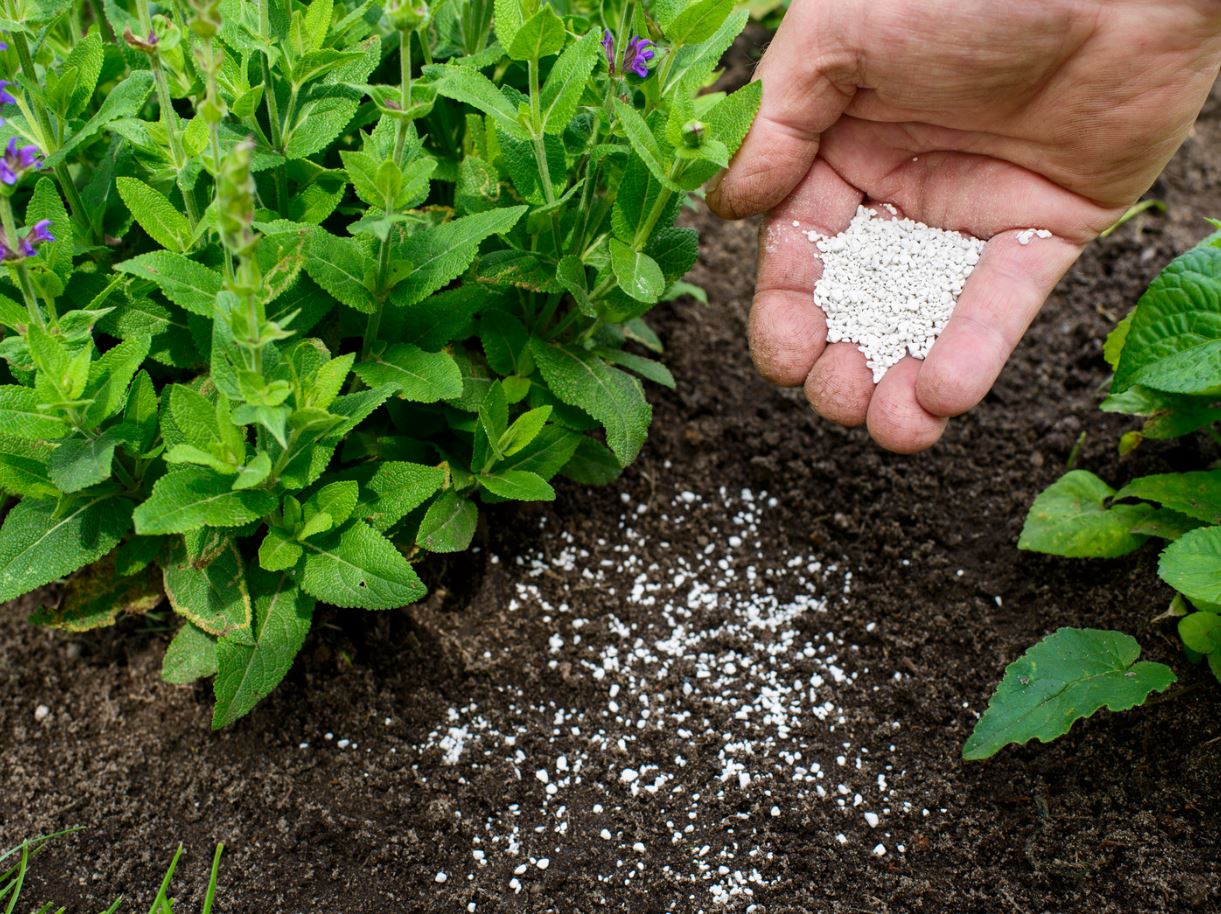
Evening irrigation keeps irrigated lawns in Butler County green while grubs feed on roots at the sunny driveway mouth where soil warms faster. Blanket grub treatment calendars miss that edge pattern on large lots. Keystone Green crews map the site before product names appear, because Western Pennsylvania clay, shade, and edge traffic change the first visit on every lot.
Why irrigated turf still shows edge grubs
Sun-warmed soil at drive mouths and south strips on Butler and Allegheny County lots can host grubs while irrigated interior turf stays dense. Water keeps crowns green; it does not stop root feeding on hot margins.
Parkway panels and mailbox arcs bake faster than backyard shade. Those margins often receive the same blanket grub product as cool interior zones with different insect pressure.
Grub control planning should map sun, soil temperature, and root depth before calendar mailers set the date.
Perimeter versus blanket treatment logic
Perimeter passes concentrate product where adult beetles lay eggs along warm edges. Interior irrigated zones with deep roots and few historical hits may not need the same ounce rate every year.
Blanket applications on large irrigated lawns increase cost and non-target risk when damage only appears at the apron. Lift tests on three panels—edge, mid, shade—beat one photo from the porch.
Our grub damage on cool season turf file explains lift tests crews expect before treatment names appear.
Irrigation habits that mask damage
Nightly irrigation can keep grub-damaged turf green until roots fail in a heat spike. The lawn looks fine in July then lifts in August when insect feeding already thinned anchors.
Reducing water to reveal damage is poor diagnostics; lift and inspect on edges where skunks dig first. Dig holes concentrated on sunny margins point to perimeter maps.
Coordinate irrigation audits with grub walks so extra minutes are not prescribed for root loss that chemistry should address.
Repair after perimeter treatment
Thin aprons need slit seed or sod after insect pressure drops, not before labels allow traffic again. Overseeding sunny margins in fall matches Western PA recovery windows better than spring panic.
Compaction at drive corners stacks with grub loss on irrigated sites. Aeration belongs in the repair sequence when cores pull from reopened profile.
Fertilizer after recovery should stay measured; lush regrowth on edges invites beetles the next cycle if irrigation and light maps stay unchanged.
Wildlife and secondary signs
Raccoon and skunk dig maps often ring irrigated properties where turf stayed green longest. Note dig location relative to downlights and heat islands along hardscape.
Japanese beetle adults may congregate on irrigated host plants beside turf while eggs land in sunny soil at the same gate path. Landscape maintenance should flag heavily fed ornamental beds nearby.
Deer programs are separate from grub biology but share the same edge where owners first notice soil disturbance.
Scheduling a perimeter-focused visit
Send lift test photos from sunny strip, photos of irrigation clock, and last year damage map. Call 412-822-9153 or request a quote for Cranberry or Pittsburgh irrigated lots.
Written notes on whether damage stopped at the sidewalk help set perimeter width for the next season without treating the entire irrigated acre blindly.
Pair with perimeter traffic heat notes when kids and carts stress the same sunny apron grubs already prefer.
Irrigated lots and beetle flight patterns
Note porch light locations where June beetles collect before egg lay on sunny aprons. Irrigation keeps turf green while beetles still choose warm soil at the same gate paths each year.
Log skunk dig dates beside clock schedules. Digging spikes two nights after heavy irrigation on edges often beat interior lift tests for proving where grubs actually feed.
Revisit guest-week perimeter traffic when irrigated lawns host summer events on compacted aprons that already favor root feeders.
Compare irrigated parkway strips to backyard shade panels on the same grub monitor sheet; split results keep perimeter treatments honest on large Fox Chapel properties.
Night irrigation that keeps interior turf glossy can hide apron root loss until September lift tests; schedule those tests before reseeding the sunny strip.
Perimeter grub maps should update after every dry August week when irrigated lawns still lift only at the apron.
Disclaimer: This article is for general informational purposes only. It is not professional advice, a quote, or a service agreement. Conditions at your home or property may differ; contact a qualified professional for an on-site evaluation before making repair, safety, or spending decisions.