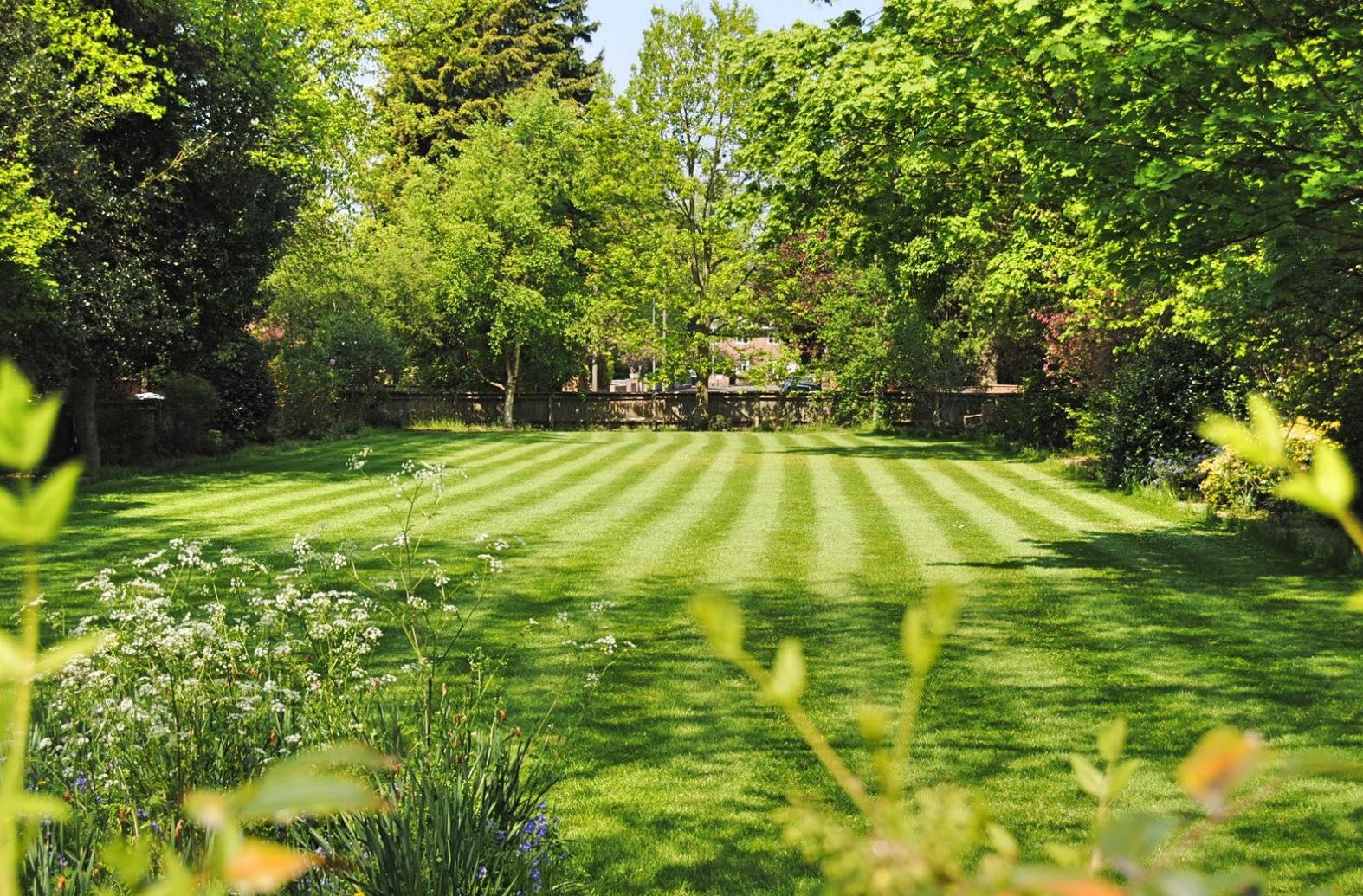
Seed on Western Pennsylvania clay is the easy half of the job. The hard half is keeping that seedbed damp while the surface wants to seal. A Butler County lawn can look freshly overseeded on Thursday and show a white crust by Saturday if nobody owns the hose. Keystone Green will not pretend a single pass of rye and fescue is a finished renovation.
Cool-season grass in Cranberry, Wexford, and greater Pittsburgh germinates in a narrow moisture window. Clay holds water down in the profile and then sheds it at the surface after a hot afternoon. That is why crews talk about light, frequent watering after seed, not one deep soak that runs into the street.
Why Pittsburgh clay dries the seed, not the subsoil
Push a screwdriver after a typical August storm. You will often hit a wet layer a few inches down while the top quarter inch is already hard. Seed sits in that top layer. If it dries twice, germination stalls. If it stays soggy against a downspout, seed rots. Both failures look like "the seed was bad" from the driveway.
Aeration helps only if cores actually open the surface. Read our aeration habits note before you bundle seed with a compaction pass. On sloped clay, water also sheets off. Pair the seed plan with irrigation management so a zone is not throwing past the bed or missing the thin strip along the walk.
Who waters, and for how many days
Put a name on aftercare before the truck leaves. If the owner is traveling, if a tenant mows on Saturday, or if an HOA shuts water off at noon, say so. Seed installation and daily establishment are two scopes. We write both on the ticket so nobody argues later about why the stand is patchy.
A workable field rule on Western PA clay is keeping the seedbed the color of a wrung sponge, not a puddle, through germination. That usually means short cycles in the morning for one to two weeks, then backing off as roots take. Skip a couple of 90 degree afternoons and you start over. Pets, kids, and leaf drop belong on the same note. A dog path through fresh seed is a bare ribbon, not a disease.
What to check before we seed
Photograph the thinnest areas, the wettest corner, and the mower height. Tell us if the controller still runs at 9 p.m. Night water on clay leaves a film that favors seedlings in the wrong way and can smear seed downhill. Note shade from maples that filled in since last fall. Seed in deep shade on clay is a different conversation from seed on an open Cranberry front yard.
Lime, fertilizer, and weed products are not automatic add-ons. Lime follows a soil test. A pre-emergent that is still active can block the very seed you just paid for. If you are not sure what went down in spring, say that. Guessing costs a season.
How we close the job
The closeout should name seed type, the watering assignment, the first mow height, and the next look. If the issue returns as thin turf next spring, we compare that file to the current lot instead of starting from a complaint that "overseeding did not work." Communities in Butler County share clay behavior, but a shaded Wexford side yard still needs its own water story.
Call 412-822-9153 or request a quote with town, photos, and who can water after we leave. Seed is cheap compared with repeating the pass because the crust won.