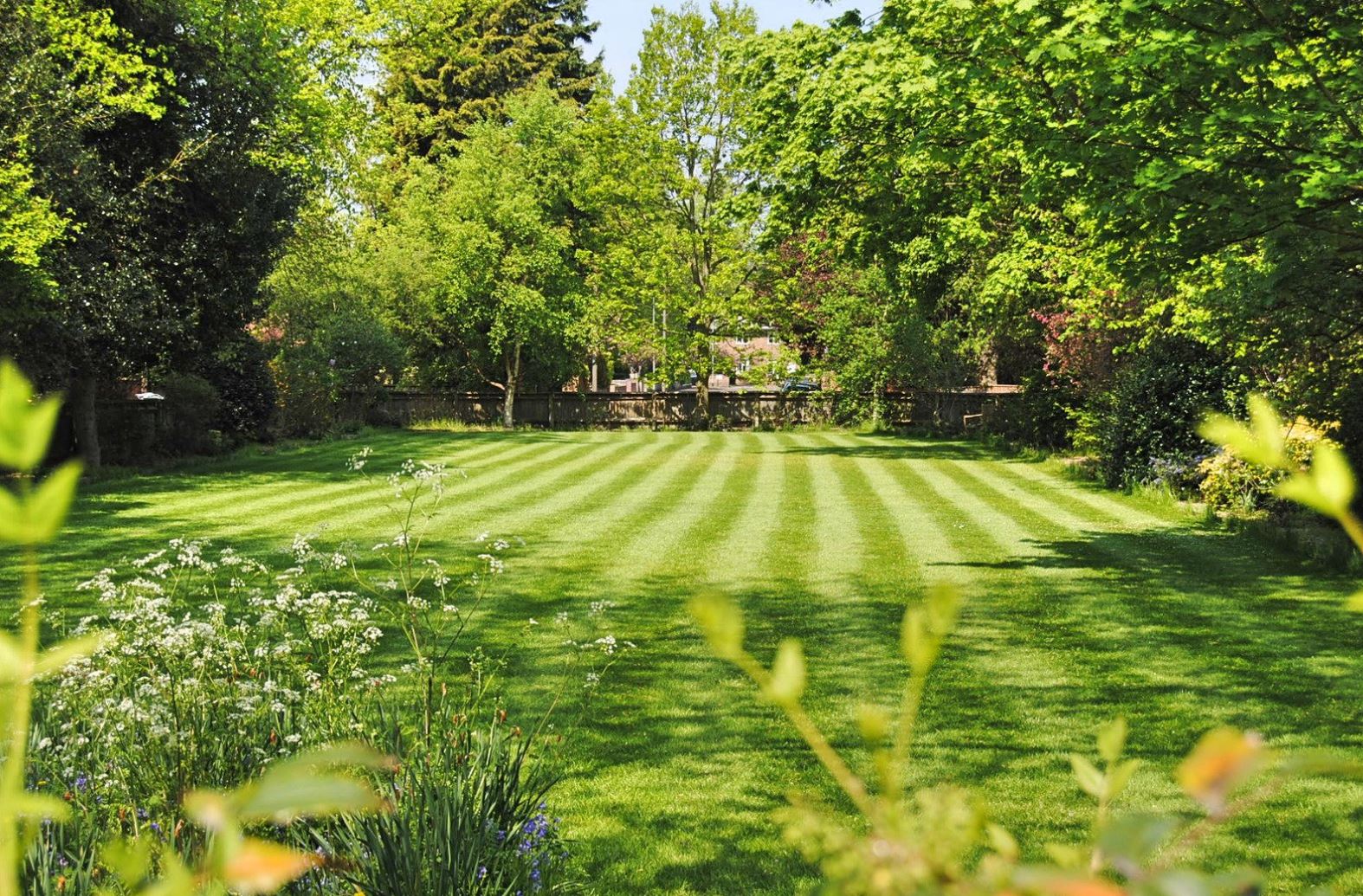
Fine fescue mixes under mature maples along Allegheny River towns darken early when fall fertilizer matches a sunny program mailed from a national brand. Shade and clay in Western PA want a different nitrogen conversation. Keystone Green crews map the site before product names appear, because Western Pennsylvania clay, shade, and edge traffic change the first visit on every lot.
Why fine fescue shade rejects sunny fall programs
Fine fescue under mature canopy in Sewickley and Shaler greens slowly with modest nitrogen and long summer humidity. Copying a sunny-lawn fall feed chart often pushes soft growth that disease and snow mold favor.
Western PA shade plus clay holds moisture at the crown while roots stay shallow. Feeding that matches open Kentucky bluegrass on the same property can darken fescue then thin it by late October.
Lawn fertilization plans should split sunny and shaded panels on one controller map before products ship.
Fall timing on cool nights
Late September rains on Allegheny County clay can coincide with the first cool nights fescue prefers for root growth. Heavy nitrogen before soil firms invites lush blades that lie flat under maple litter.
A conservative October pass with soil moisture noted beats a double September application copied from marketing mailers. Recovery is measured in crown density next spring, not in weekend color spikes.
Read shaded crown recovery when humidity under trees stays high through Indian summer.
Potassium and soil tests in shade
Shaded fescue may show pale color from low potassium or from excess nitrogen before either is confirmed. Soil samples from under canopy and from sunny strip on the same lot should not be merged.
Lime belongs on pH results, not on calendar habit. Acid soils under pines beside fescue lawns change availability of fall nutrients without announcing themselves in turf color alone.
Weed pressure in shade often means light limits, not feed gaps. Herbicide timing on fescue must stay gentle while fall fertility is already conservative.
Mowing and litter that change feed response
Leaves left on fescue for weeks trap moisture and alter how fall fertilizer behaves at the crown. Mulching leaves works only when blades stay sharp and height stays tall enough for airflow.
Mowing shorter before winter to reduce snow mold risk can conflict with fescue shade programs that need taller crowns going into freeze. Name the target before the last two cuts on Fox Chapel slopes.
Maintenance rounds that fold leaf cleanup with feed scheduling prevent stacking stress on the same shaded week.
Comparing debate answers on one property
Owners sometimes fertilize sunny backyard aggressively while front fescue under street trees receives the same bag by accident. Separate bags, separate dates, and labeled photos keep the debate honest.
Irrigation overlap from sunny zones can negate conservative feed on shade. Irrigation management should trim overlap before fall nitrogen questions reopen.
Our midsummer clay feed notes foreshadow why fall repeats fail when summer soft growth never hardened.
When to request a shade-specific plan
Send mowing height, last feed dates for sunny versus shady panels, and photos after morning dew. Call 412-822-9153 or request a quote before buying another high-nitrogen fall product.
Keystone Green serves Cranberry, Wexford, and river-town shade lots where fescue and bluegrass mixes already coexist on one map.
Season records that note which panel browned first help compare feed changes without repeating the same debate each October.
Spring follow-through on shaded feed plans
Review shade panels the first week crowns green in March. Fine fescue that wintered well under maples tells you whether fall restraint worked better than another rescue feed would have.
Track snow mold incidents separately on shaded zones. Dense fescue with late fall nitrogen sometimes mats under snow while sunny Kentucky bluegrass on the same lot stays clean.
Lawn care visits that raise decks under canopy before summer heat prevent repeat fertilizer debates each October.
Document shade percentage at solar noon each September; fescue feed debates stop repeating when owners see the same meter reading two years in a row.
Conservative fall feed on fine fescue is a bet on spring density, not on November color for drive-by photos.
Share soil sample dates on shaded panels when debating feed; two labs on one bag erases the whole conversation.
Disclaimer: This article is for general informational purposes only. It is not professional advice, a quote, or a service agreement. Conditions at your home or property may differ; contact a qualified professional for an on-site evaluation before making repair, safety, or spending decisions.