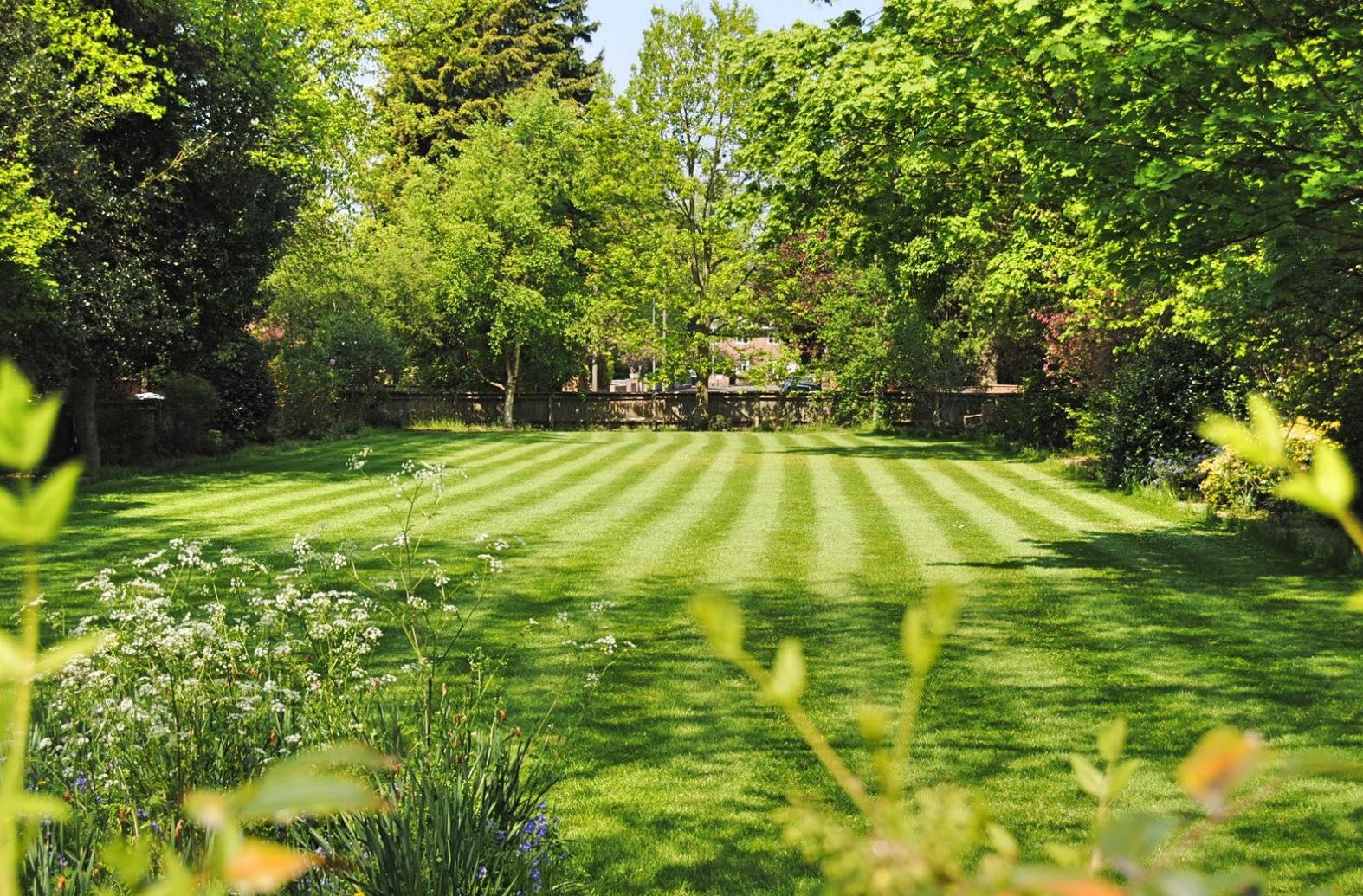
If your grass gets cut every week but the place still looks tired, the problem probably is not the mowing. That is where commercial landscaping services start to make sense, especially on Pittsburgh-area properties that look fresh in April and worn down by late July.
When basic lawn care stops being enough
A simple mow-and-go plan can keep a property from looking abandoned. But it cannot fix everything. If shrubs are shaggy, beds are full of weeds, mulch has faded, and the entrance always looks a little rough, basic lawn care is only covering the surface.
Here’s the thing: neat grass does not automatically create a neat property. On a commercial site, people notice the whole picture. Parking lot edges, front walkways, planting beds, sightlines near signs, and how clean the entry feels all matter. Once those details start slipping, basic service stops being enough.
What “commercial landscaping services” usually includes
Commercial landscaping services sounds bigger than it really is. In plain English, it means ongoing outdoor care for a business, office, community, or other non-residential property. That can include routine lawn work, bed maintenance, trimming, mulching, seasonal cleanup, planting, irrigation checks, and a plan for keeping the property looking consistent.
The difference usually comes down to scope. One-off maintenance handles a visible task. Full-service care handles the property as a whole.
Basic services
Basic services usually cover mowing, edging, blowing off hard surfaces, simple trimming, and fall or spring cleanup. That keeps turf short and walkways cleaner, which is useful on smaller or simpler sites.
The catch is that basics do not solve recurring appearance problems. If beds are thin, weeds keep coming back, or shrubs are growing past windows and signs, the property can still look half-finished right after service.
Full-service landscaping
Full-service landscaping goes beyond cutting grass. It includes bed care, mulch refreshes, shrub shaping, seasonal plant attention, drainage fixes, and ongoing improvement of worn areas.
That matters because some outdoor problems are not maintenance problems at all. They are site problems. A soggy patch near the entrance, dying plants along a building, or a bed that always looks messy usually needs attention that is part upkeep and part problem-solving.
How to tell which level of service your property actually needs
If curb appeal, safety, and consistency matter to your business, basic mowing alone is not enough. That is the simplest way to look at it.
The right level of service depends on how visible your property is, how often people use it, and whether the same issues keep returning.
Stick with basics if your needs are simple and predictable
Basic lawn care makes sense for smaller properties with mostly open turf, very few planting beds, limited foot traffic, and no irrigation system to watch. If your site sits back from the road and the goal is simply to keep it neat, basics can do the job without overcomplicating things.
This is usually the best fit when cost control matters more than presentation. You are paying for a clean, functional appearance, not a polished one.
Step up to commercial landscaping services if problems keep coming back
If bare spots, weed-heavy beds, overgrown shrubs, standing water, or messy entrances keep showing up, basic service is no longer enough. A property that never quite looks cared for, even right after a crew leaves, is giving you the answer.
That kind of frustration usually means your site needs more than routine cutting. It needs regular detail work and a plan to correct problem areas instead of just cleaning around them again next week.
Consider how the property gets used
A small office with light traffic does not need the same service plan as an apartment community, HOA, retail center, church campus, medical office, or industrial site. The more people see and use the property, the more the grounds affect first impressions and day-to-day complaints.
For customer-facing spaces, clean entrances and consistent bed care matter. For apartment communities and HOAs, repeated wear and tear means more frequent attention. For industrial spaces, visibility and safety around edges, drainage, and access points often matter more than decorative polish.
The buying factors that matter most
A good service plan should fit your site, your season, and your tolerance for headaches. Fancy wording in a proposal does not matter much if the work never matches the property.
Scope and frequency
Match the service plan to the site you actually have. Weekly mowing may be enough for open turf, while planting beds may only need attention every couple of weeks. Seasonal cleanups, mulch work, and shrub trimming should show up when your property needs them, not just because they sound impressive on paper.
The trick is avoiding a package full of extras you will not notice, while still covering the areas that make the place look neglected fast.
Reliability and communication
A decent-looking mow is not enough if scheduling is messy and small problems linger for weeks. Communication matters just as much as appearance.
You want clear expectations around visits, weather delays, and who handles little issues before they become bigger ones. If getting a call back feels harder than it should, that tends to show up in the work too.
Site experience and equipment
Commercial properties need a different rhythm than residential lawns. Larger sites, multiple buildings, parking lot edges, and high-traffic entrances call for the right crew size and the right equipment.
You also want a provider that can handle more than the weekly basics. If your needs grow from mowing into bed repair, shrub shaping, or drainage attention, it helps when the same company can keep up.
Seasonal planning for pittsburgh-area properties
Pittsburgh-area properties change fast through the year. Spring growth can get heavy in a hurry. Summer heat exposes thin turf and worn beds. Fall leaves pile up quickly, especially on older lots with mature trees. Then winter shifts the focus to cleanup and site transitions.
A service plan should change with the season. If it stays exactly the same in May, August, and November, it is probably too generic.
Cost: when paying for more service actually saves you trouble
Basic mowing usually costs less up front. No surprise there. But cheaper service can get expensive in slower, more annoying ways when plants die, weeds spread, entrances look messy, or tenants and visitors start noticing.
Sometimes paying more is not about getting fancy landscaping. It is about avoiding repeat fixes and keeping the property from always looking one step behind.
What affects pricing
Pricing usually depends on property size, slope, number of beds, service frequency, debris load, irrigation needs, and how detailed the work needs to be. Two properties with the same square footage can get very different quotes if one is flat open turf and the other has steep edges, lots of beds, and constant leaf drop.
That is why the cheapest quote is not always the best comparison. You are not just buying time on a mower. You are buying coverage for the actual work your site needs.
When to spend more
Spending more makes sense on high-visibility properties, client-facing businesses, multi-building sites, and places where neglected grounds create complaints or safety concerns. If appearance affects trust, leasing, traffic, or day-to-day operations, better service usually pays for itself in fewer headaches.
Common mistakes that lead to the wrong choice
Most bad landscaping decisions are not dramatic. They are small mismatches that keep costing you time.
Hiring only for the cheapest mow
Low-price mowing can leave out edging, cleanup, bed care, and consistency. The result is a property that always looks almost finished, like a room that got vacuumed but never dusted.
That kind of service works until you start caring how the place actually presents from the street to the front door.
Ignoring long-term issues
Weeds, drainage trouble, thinning beds, and recurring bare spots are not just cosmetic annoyances. If the same problems keep coming back, repeated cleanup is just a temporary patch.
Some properties need fixes, not another round of the same basic service.
Choosing a service plan that does not match the property
A simple strip-mall frontage, a church campus, and a busy office park should not get the same plan. The trick is fitting the work to the way the space gets used.
Best fit by property type and situation
Here is the shortcut: match the service level to what people see, where trouble keeps showing up, and how much inconsistency you can tolerate.
Best for small, low-maintenance properties
Basic lawn care is usually enough for simple sites with open turf, minimal landscaping, and low public visibility. If your goal is neat and functional, not polished and high-impact, basics are often the right call.
Best for high-visibility or customer-facing properties
Commercial landscaping services are the better fit for offices, retail locations, medical buildings, and other properties where appearance shapes first impressions. Cleaner entrances, sharper beds, and more consistent upkeep make a visible difference.
Best for properties with recurring problem areas
If soggy spots, dying plants, overgrowth, or tired-looking beds keep showing up, it is time to move beyond basics. Try one simple step before comparing quotes: walk your property from the street to the front door and notice what keeps catching your eye. That is usually where your service plan needs to change.
- Disclaimer: This article is for general informational purposes only. It is not professional advice, a quote, or a service agreement. Conditions at your home or property may differ; contact a qualified professional for an on-site evaluation before making repair, safety, or spending decisions.
Disclaimer: This article is for general informational purposes only. It is not professional advice, a quote, or a service agreement. Conditions at your home or property may differ; contact a qualified professional for an on-site evaluation before making repair, safety, or spending decisions.