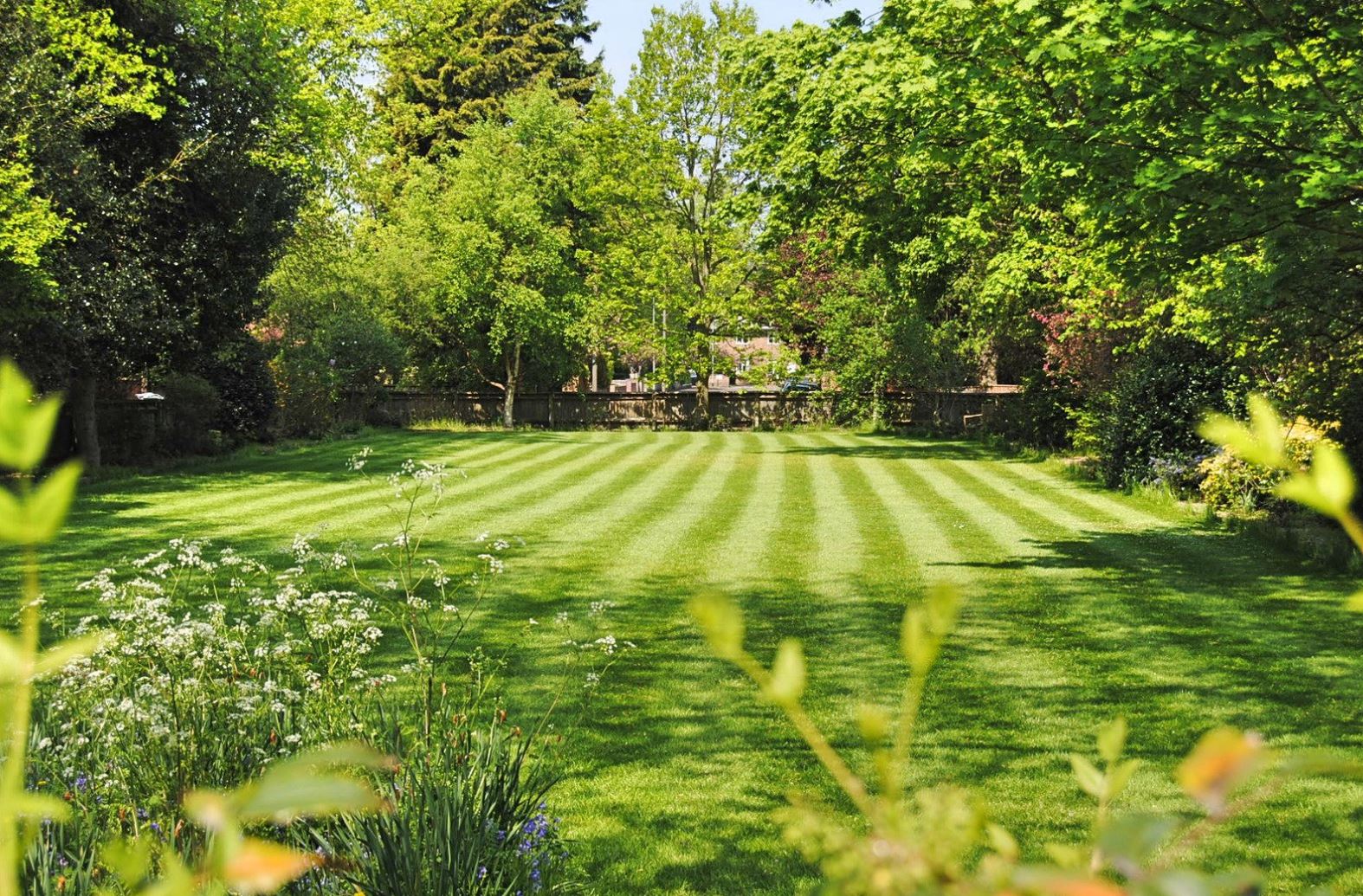
Bare spots in lawn areas are patches where healthy grass has thinned out or disappeared, and they usually show up right when your yard should look its best. After a Pittsburgh winter, a hot July week, or one too many trips across the same shortcut to the shed, those empty patches can feel random. They usually are not. Once you match the fix to the real cause, lawn repair gets much simpler.
Why bare spots show up in your lawn
A bare spot is exactly what it sounds like: an area where turf is weak, missing, or failing to fill in like the rest of your yard. Sometimes it is a small patch near the sidewalk. Sometimes it is a rough strip where snow sat for weeks, then melted into soggy ground. Either way, the problem is not just cosmetic. A thin lawn gives weeds room to move in fast.
The catch is that bare spots do not all happen for the same reason. One patch may come from dog urine. Another may come from compacted soil, which just means dirt pressed so tightly that air, water, and roots struggle to move through it. If you treat every patch the same way, you waste seed, water, and time.
Bare spots vs. dead grass vs. dormant grass
This part saves a lot of frustration.
A bare spot has little to no healthy turf growing in it. Dead grass is grass that is not coming back. It often pulls up easily, feels brittle, or has no living green tissue at the base. Dormant grass is different. It is alive, but temporarily sleeping through stress, usually summer heat or winter cold.
If a patch is straw-colored in August but the crowns and roots still have life, it may just need water and cooler weather. If it is truly dead, reseeding makes sense. Think of it like a phone in sleep mode versus a phone with a dead battery. One wakes up. One needs replacing.
Why finding the cause comes first
Patching first and diagnosing later is the fastest way to end up with the same ugly patch a month from now. Grass seed is not magic. If the soil stays packed, the area stays soaked, or your dog keeps using that same corner, new seed never had much of a chance.
That is why the smartest repair process is simple: spot the cause, fix the cause, then seed the area.
The most common causes of bare spots in lawn areas
Most lawn patches come from a handful of problems, and you can usually narrow them down just by looking at the location, shape, and condition of the area.
Heat, drought, and compacted soil
Summer stress is a big one. Grass in sunny slopes, strips near driveways, and edges by sidewalks gets extra heat from reflected sun and hot surfaces. If watering is shallow or inconsistent, roots stay near the top and dry out faster. Eventually the grass thins, then gives up.
Compacted soil makes that worse. If a patch feels hard as a worn path through a park, roots cannot spread well. Water may run off instead of soaking in, which is common in busy yard areas and clay-heavy soil around Pittsburgh.
Pet urine, digging, and wildlife damage
Dog urine usually leaves small round or irregular patches that turn yellow or brown, sometimes with darker green grass around the edge. That ring happens because urine acts like a heavy shot of nitrogen in one spot. Too much burns, a little can green things up.
Digging damage looks different. You will notice torn-up turf, exposed soil, and obvious disturbance. Wildlife can also be the real issue. If skunks, raccoons, or birds are tearing at the lawn, the actual problem may be grubs under the surface. Grubs are beetle larvae that feed on roots.
Disease, grubs, thatch, and dull mower blades
Lawn disease usually shows up as odd-shaped patches, discoloration, or areas that spread outward. Fungus likes moisture, poor airflow, and stress. If a patch grows larger instead of staying put, disease moves higher on the suspect list.
Grub damage often creates turf that feels loose, almost like a rug that lifts easily because the roots are gone. Thatch can also cause trouble. Thatch is the layer of dead stems and roots between the green grass and the soil. A little is normal. Too much blocks water and air.
And yes, dull mower blades matter. Instead of cutting cleanly, dull blades tear grass tips. That shredded look weakens the plant and can leave the lawn looking brown or frayed, especially after mowing.
Shade, traffic, and poor seed choice
Some spots stay bare because the grass type simply is not suited for the location. Deep shade under trees, repeated foot traffic along the same route, and seed blends meant for the wrong conditions all hold a lawn back.
Around Pittsburgh, cool-season grass mixes usually perform best. Fescue, ryegrass, and Kentucky bluegrass blends are common for a reason. They handle local conditions better than warm-season grasses, and different blends can be chosen for sun, shade, or heavier use.
How to figure out what your bare spot is telling you
Before you open a bag of seed, take five minutes and inspect the patch like a problem you are trying to solve, not just hide.
What to look for in the grass, soil, and roots
Start with color and shape. A round yellow patch suggests something different from a wide worn path. Check the soil with a screwdriver or hand trowel. If it is hard to push in, compaction is likely part of the problem.
Look at moisture too. Is the area bone dry while the rest of the yard looks fine? Is it soggy? Tug gently on the grass around the edges. If turf lifts easily, roots may be damaged by grubs or rot. If you see insects in the soil, chewing damage, or a thick spongy layer above the soil, that points you in a different direction.
Also check whether any roots are still alive. White, firm roots are a good sign. Brown, mushy, or missing roots are not.
Questions to ask before you reseed
A few practical questions tell you a lot. Is the area full sun or deep shade? Does water soak in, or does it run off fast? Does your dog use that corner every day? Did a snow pile sit there all winter? Has that spot always been thin, even when the rest of the lawn looks decent?
Those answers matter because lawn problems usually repeat their pattern. A patch that returns every summer by the driveway is not random. A strip that never thickens under a maple tree is not random either.
What helps new grass stay and what ruins it
The patch is not finished the moment it turns green. Early care makes the difference between a repair that sticks and one that disappears.
Common repair mistakes that slow everything down
A few mistakes show up again and again: overwatering, underwatering, throwing down too much seed, burying seed too deep, skipping soil prep, and patching at the wrong time of year.
Around Pittsburgh, early fall is usually the sweet spot for repairing cool-season lawns. Soil is still warm, air temperatures are milder, and grass gets a better runway before winter. Spring can work, but summer patching is tougher, honestly, because heat stress and weed pressure fight you the whole way.
When bare spots keep coming back
Sometimes a patch is just a patch. Sometimes it is your yard trying to tell you a bigger story.
Signs the issue is bigger than a quick fix
If the same area keeps failing, or thinning is happening across large sections of the lawn, you may be beyond a simple patch job. Standing water, deep shade, widespread grub damage, and bare spots that keep spreading usually point to larger problems.
At that point, another bag of seed is not really a fix. It is a bandage. Broader lawn renovation, drainage correction, or changing the grass type for the site may make more sense.
When to call a lawn care or landscaping service
Getting help saves time when the cause is hard to pin down or the damage is extensive. Disease can be tricky to identify. Severe compaction can need more than hand raking. Grading problems, especially on slopes, can keep washing seed away. Mixed sun-shade yards and clay-heavy soil, both common around Pittsburgh, can also turn a basic repair into an ongoing headache.
If your lawn keeps losing the same battle in the same spot, stop treating it like bad luck. Fix the condition, not just the patch. Then try one bare spot the right way, cause first, seed second, and see how different the result looks.
Disclaimer: This article is for general informational purposes only. It is not professional advice, a quote, or a service agreement. Conditions at your home or property may differ; contact a qualified professional for an on-site evaluation before making repair, safety, or spending decisions.